For decades, an important immune receptor was largely overlooked by researchers. Because it binds antibodies without immediately activating immune cells, FcγRI (CD64) was long thought to play only a minor role in disease. New research by Tosca Holtrop and colleagues at UMC Utrecht now challenges that assumption. By developing the first antibodies that specifically block this receptor, researchers have uncovered new opportunities to treat autoimmune diseases and improve cancer immunotherapy.
Immune receptor FcγRI (also known as CD64) is a high-affinity receptor on myeloid cells that binds to the Fc region of immunoglobulin G (IgG) antibodies. It plays a key role in the immune defense by triggering cellular functions such as phagocytosis and cytokine production. In a normal immune response, FcγRI is activated by immune complexes (clusters of antibodies that are bound to pathogens) which mark them for clearance. In autoimmune diseases, however, the immune system mistakenly targets the body’s own tissues (such as joint proteins in rheumatoid arthritis, nuclear antigens in lupus, or platelets in immune thrombocytopenia), which results in the production of autoantibodies that form immune complexes. These misdirected complexes activate FcγRI unnecessarily, driving chronic inflammation and subsequent tissue damage.
In her PhD thesis, Tosca Holtrop, PhD (Center for Translational Immunology, UMC Utrecht) investigated the biology of immune receptor FcγRI and translated her insights into new therapeutic strategies.
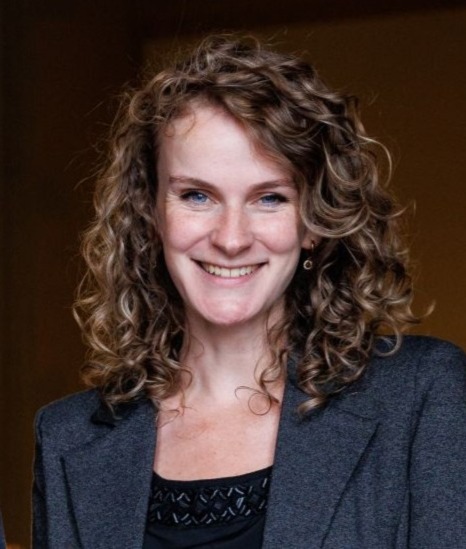
Tosca Holtrop, PhD
Tosca Holtrop and co-workers at the Antibody Therapy research group of Prof. Jeanette Leusen, PhD developed a new generation of antibodies that directly block FcγRI, preventing the activation of inflammatory immune cells by harmful immune complexes. In laboratory experiments and preclinical disease models, these novel antibodies consistently outperformed the currently available research antibodies, which only partially inhibit the receptor and may even activate it.
These findings could have important implications for autoimmune diseases driven by pathogenic antibodies. Current treatments often suppress the immune system broadly or reduce antibody levels throughout the body, increasing the risk of infections and other side effects. By selectively blocking a single receptor that amplifies inflammation, the new antibodies may offer a more precise therapeutic approach while preserving many normal immune functions.
The FcγRI receptor also offers opportunities in cancer treatment. Holtrop engineered bispecific antibodies that simultaneously recognize the receptor on immune cells and proteins on tumor cells, effectively redirecting the body’s own immune system to attack cancer. In preclinical models, these antibodies showed potent anti-tumor activity comparable to existing clinical antibody therapies.
An unexpected discovery further strengthened this approach: tumors often create an acidic microenvironment that is generally believed to suppress immune responses. Surprisingly, Holtrop and colleagues found that this acidity actually enhances antibody-driven tumor killing by neutrophils, a type of white blood cell. At the same time, acidic conditions reduced several tumor-promoting functions of these cells. These findings suggest that characteristics of the tumor microenvironment previously considered obstacles may instead be exploited to improve antibody-based immunotherapy.
Tosca Holtrop on the implications for future research: “Although additional optimization and clinical testing are still required, our studies provide a strong foundation for translating FcγRI-targeting therapies to the clinic. The newly developed antibodies could eventually become a new class of precision medicines for autoimmune diseases, while FcγRI-directed bispecific antibodies may expand our arsenal of targeted cancer immunotherapies.”
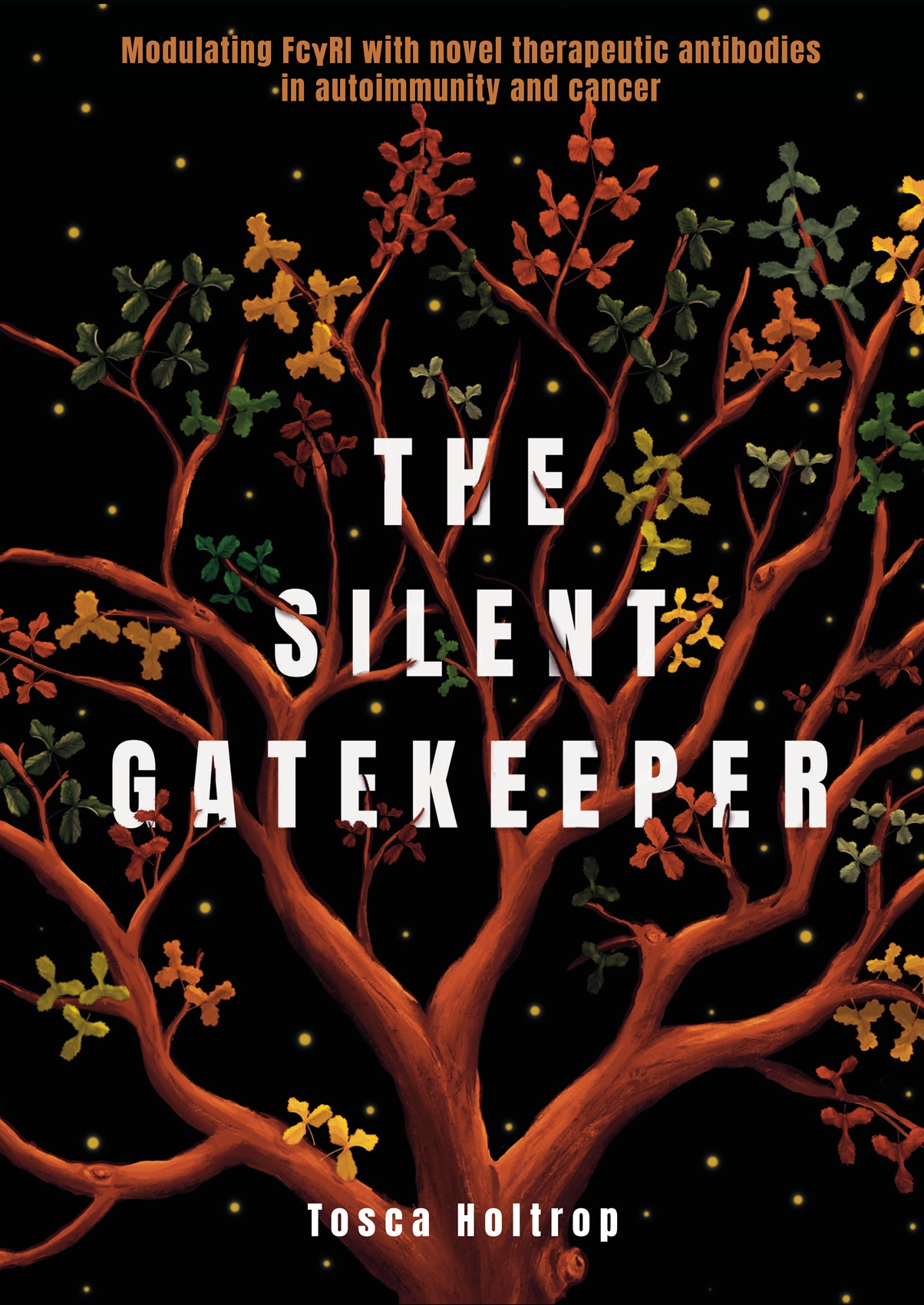
Tosca Holtrop, PhD (1995, Woerden) defended her PhD thesis on June 19, 2026 at Utrecht University. The title of her thesis was “The silent gatekeeper – Modulating FcγRI with novel therapeutic antibodies in autoimmunity and cancer.” Supervisor was Prof. Jeanette Leusen, PhD (Center for Translational Immunology, UMC Utrecht) and co-supervisor was Kevin Budding, PhD (Center for Translational Immunology, UMC Utrecht, now at argenx, Ghent, Belgium).
Previous articles on this subject