Donor stem cell transplantation can cure patients with leukemia and other serious blood disorders. However, the treatment also carries the risk of graft-versus-host disease (GVHD), a potentially life-threatening complication in which donor immune cells attack healthy tissues. Research by UMC Utrecht PhD candidate Anniek Stuut shows that engineering donor stem cell grafts can reduce this risk while preserving the treatment’s ability to fight cancer.
Donor hematopoietic stem cell transplantation (HSCT) replaces a patient’s blood-forming system with healthy donor stem cells. While rebuilding the immune system, donor immune cells can eliminate remaining cancer cells. At the same time, they may attack healthy tissues, causing graft-versus-host disease (GVHD). Another challenge is cytomegalovirus (CMV) reactivation, which can lead to illness but also influences immune recovery after transplantation. The aim of the PhD project of Anniek Stuut, MD (Center for Translational Immunology, UMC Utrecht) was to characterize clinical outcomes and immune reconstitution after αβT cell-depleted donor HSCT, and to examine how CMV reactivation influences these processes.
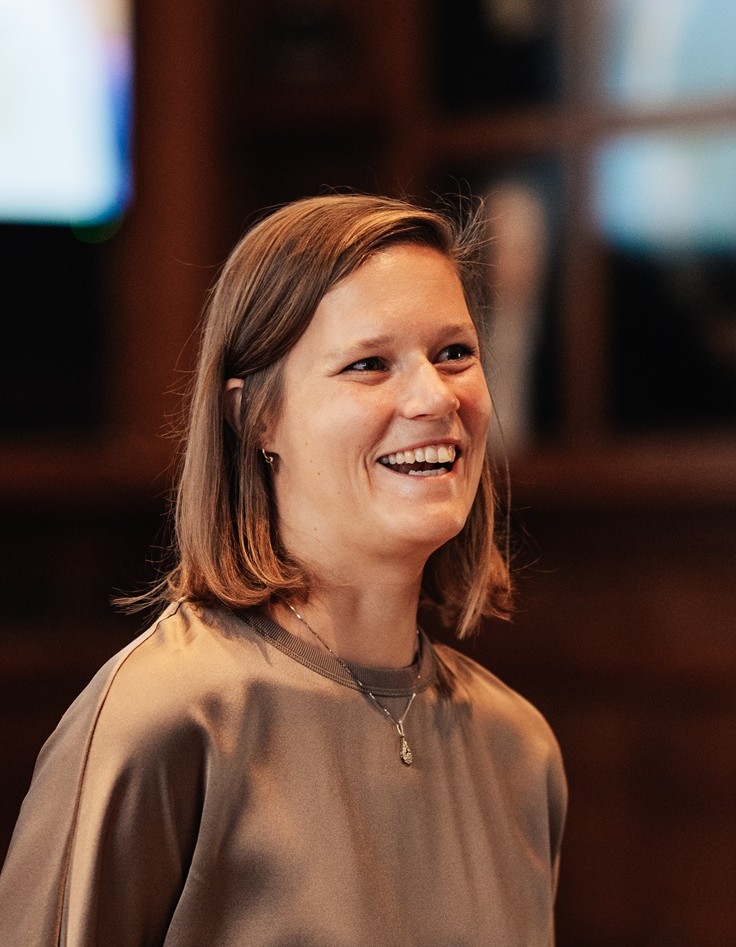
Anniek Stuut, MD, PhD
The research focused on a transplantation technique in which αβT cells—the immune cells mainly responsible for GVHD—are removed from the donor graft before transplantation. Patients receiving these engineered grafts developed chronic GVHD much less often than those treated with conventional stem cell transplantation. As a result, more patients remained alive without severe complications or relapse. Importantly, this lower risk of GVHD did not increase treatment-related mortality, despite intensive conditioning before transplantation.
Additionally, engineered donor grafts can be safely cryopreserved without affecting clinical outcomes, making stem cell transplantation more flexible and improving access to this specialized treatment.
Anniek Stuut also investigated patients with myelofibrosis, a rare bone marrow cancer. Combining engineered donor grafts with the targeted drug ruxolitinib before and after transplantation improved overall survival by reducing complications unrelated to cancer recurrence. These findings suggest that transplantation strategies can be tailored to specific diseases to improve outcomes.
Successful HSCT depends not only on preventing complications but also on restoring a healthy immune system. Stuut and co-workers found that immune recovery is strongly influenced by the transplantation platform and by viral infections, particularly CMV. These insights may help doctors better monitor patients and optimize treatment after transplantation.
Together, the findings as reported in the PhD thesis of Anniek Stuut show that stem cell transplantation can be optimized by reducing GVHD while preserving the immune response against cancer. As new cellular therapies continue to emerge, this may contribute to safer and more personalized stem cell transplantation for patients with hematological diseases.
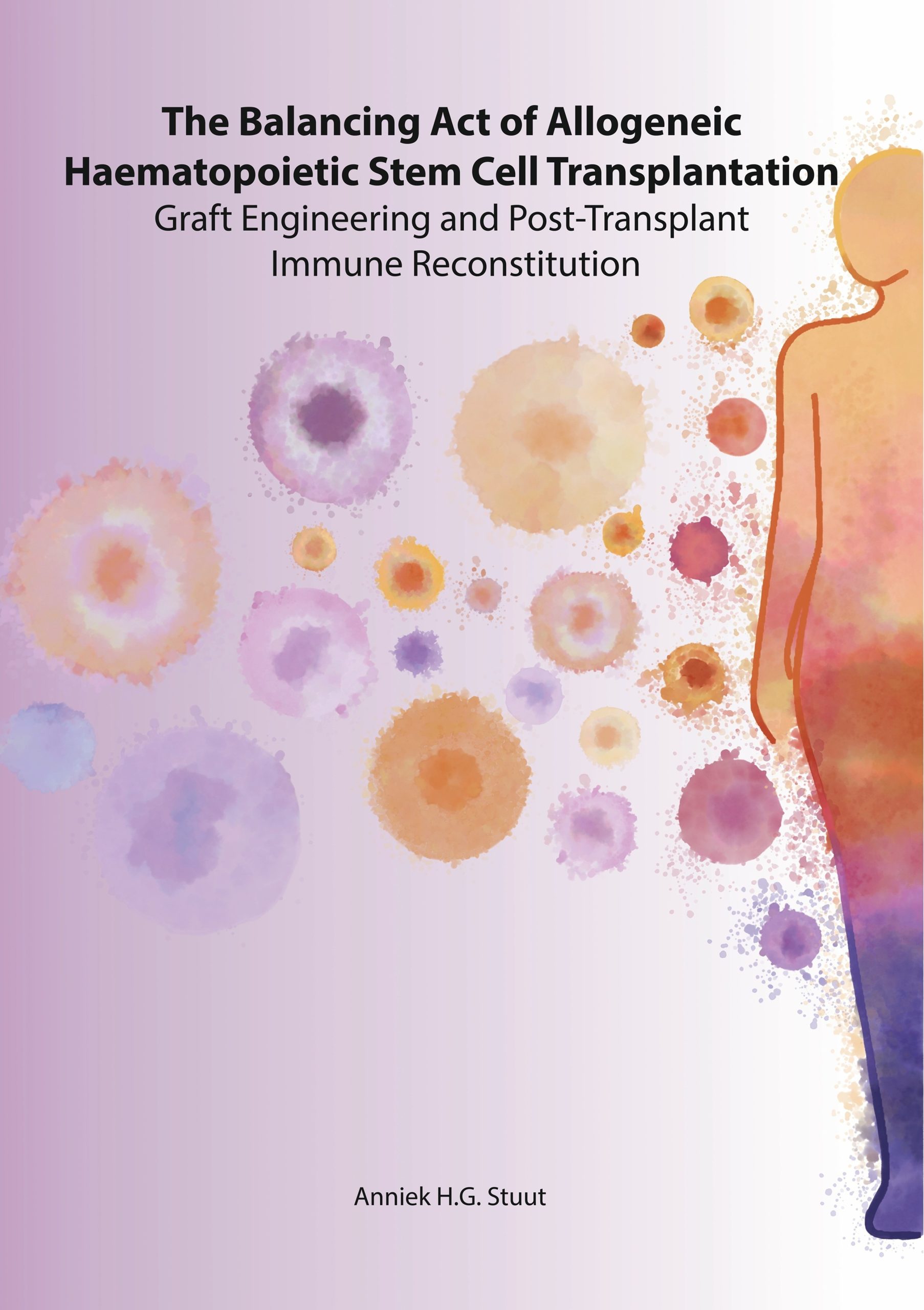
Anniek Stuut, MD (1995, Stadskanaal) defended her PhD thesis on July 10, 2026 at Utrecht University. The title of her thesis was “The Balancing Act of Allogeneic Haematopoietic Stem Cell Transplantation: Graft Engineering and Post-Transplant Immune Reconstitution.” Supervisor was Prof. Jürgen Kuball, MD PhD (Department of Hematology, UMC Utrecht). Co-supervisors were Moniek de Witte, MD PhD (Department of Hematology, UMC Utrecht) and Zsolt Sebestyén, PhD (Center for Translational Immunology, UMC Utrecht).
In March 2026, Anniek Stuut started as a postdoctoral researcher at the Prinses Máxima Centrum in Utrecht, where she works on long-term post-transplant hematopoiesis and mixed chimerism.