Five UMC Utrecht researchers have received more than €3.8 million in total from the Dutch Cancer Society (KWF) for innovative cancer research. The funding is made possible by Alpe d’HuZes. It is a meaningful recognition of their work and of the teams behind these research projects.
With this funding, the researchers will explore new ways to target cancer more precisely and identify serious treatment-related complications at an earlier stage. Their projects focus on areas including brain tumors, pancreatic cancer, ovarian cancer, and stem cell transplantation in children.
How can we target cancer more precisely while sparing as much healthy tissue as possible? This question is at the heart of two research projects on radiopharmaceuticals: medicines containing radioactive substances that can be used to target tumors.
Berend van der Wildt receives €262,551. Together with his colleagues, he is studying astatine-211, a powerful radioactive isotope. The researchers aim to develop a way to attach astatine-211 to molecules that accumulate in tumors. This would allow tumors to be irradiated from within. Their goal is to develop more powerful treatments that could reduce the risk of tumors returning.
Alex Poot receives €703,224 for research on ovarian cancer. Together with his team, he is developing new radiopharmaceuticals. The research focuses on a protein that is found at increased levels in approximately 50 to 70 percent of ovarian cancers.
The team is developing radiopharmaceuticals that specifically bind to this protein. Their aim is to use these compounds both to visualize tumors on scans and to deliver targeted radiation. If the results are positive, the most promising approach can be developed further for future studies in patients.
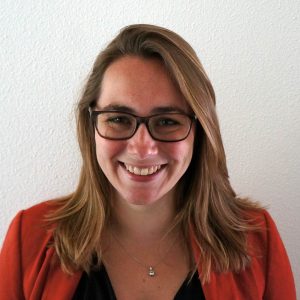 Patricia Olofsen receives €843,294 to study a new form of immunotherapy for pancreatic cancer. Immunotherapy uses the body’s own immune system to fight cancer.
Pancreatic tumors contain large numbers of neutrophils, a type of immune cell. These cells normally help fight infections, but in pancreatic cancer they do not effectively attack tumor cells.
Patricia and her colleagues aim to develop new antibodies that help these immune cells recognize and kill cancer cells. At the same time, the antibodies are designed to block a signal that the tumor uses to protect itself from the immune system.
The researchers will first test this new approach in the laboratory and in experimental models. If successful, the research could provide a basis for further studies in patients.
Akke Bakker, a researcher at UMC Utrecht and the Princess Máxima Center for Pediatric Oncology, receives a Young Investigator Grant of more than €1 million. The grant gives her the opportunity, at an early stage of her scientific career, to establish an independent line of cancer research.
Together with her colleagues, Akke is investigating a new approach for glioblastoma, a highly aggressive form of brain cancer. One of the major challenges in treating brain tumors is that many drugs do not reach the brain effectively. This is due to the blood-brain barrier, a protective barrier that keeps harmful substances out of the brain but also blocks many drugs.
The researchers aim to temporarily and locally open the blood-brain barrier using focused ultrasound, a technique that combines targeted ultrasound waves with microbubbles. This could allow the drug cetuximab to reach the tumor more effectively. Using ImmunoPET, the researchers will measure how much of the drug actually reaches the tumor.
Fifteen patients will participate in the study. The researchers will investigate whether focused ultrasound improves the delivery of cetuximab to the tumor and whether the approach is safe. If the results are positive, a larger multicenter study will follow.
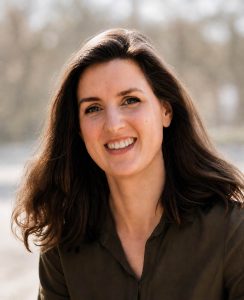
Coco de Koning, a researcher at UMC Utrecht and the Princess Máxima Center for Pediatric Oncology, receives a Young Investigator Grant of nearly €1 million. Like Akke, this grant gives her the opportunity to establish an independent line of cancer research at an early stage of her scientific career.
She studies acute graft-versus-host disease, a serious complication that can occur after stem cell transplantation. She does this together with colleagues, patients, and research partners.
In acute graft-versus-host disease, immune cells from the donor attack the child’s body, including organs such as the skin, liver, or intestines. Currently, physicians can usually only start treatment once the first symptoms appear.
Coco and her colleagues previously developed a blood test that may help predict which children will develop this complication before symptoms appear. With the new funding, they will investigate how reliable this test is.
The researchers will follow 120 children undergoing stem cell transplantation at the Princess Máxima Center. Additional blood samples will only be taken during regular check-ups, so children and their families will not need to make extra hospital visits. Patient representatives from Vereniging Kinderkanker Nederland are also involved in the design of the study and in sharing its results.
If the blood test proves sufficiently reliable, the researchers aim to introduce it first at the Princess Máxima Center. They will then investigate whether it also performs well in other hospitals. Ultimately, the test could potentially be used more widely for children undergoing stem cell transplantation.
At UMC Utrecht, we work every day to advance our understanding of cancer and develop better ways to detect and treat the disease. We do not do this alone. We connect research with patient care and work together with patients, researchers, and partners in the Netherlands and around the world.