Food allergy affects millions of people worldwide and can range from mild itching to life-threatening reactions. Diagnosing food allergy is often difficult, and many patients face long waiting times for testing. Research by UMC Utrecht PhD candidate Emily Kallen MD, however, shows that diagnosis and treatment can become more accurate, more personalized and, for some patients, even partly carried out at home.
Food allergy is an important human health issue and is defined as an adverse immune response to food proteins that can cause reactions in skin, gastro-intestinal and respiratory tracts and the circulatory system, some being potentially life-threatening. The prevalence of food allergy in European adults ranges from 0.3-6 percent of the population, depending on the country.
There is no cure for food allergy and accidental allergic reactions continue to occur in the daily life of patients. The key interventions are elimination of the culprit food from the diet and treatment of accidental allergic reactions with emergency medication (such as adrenaline). Therefore, having a food allergy poses a significant socioeconomic and psychosocial burden to patients and impairs quality of life.
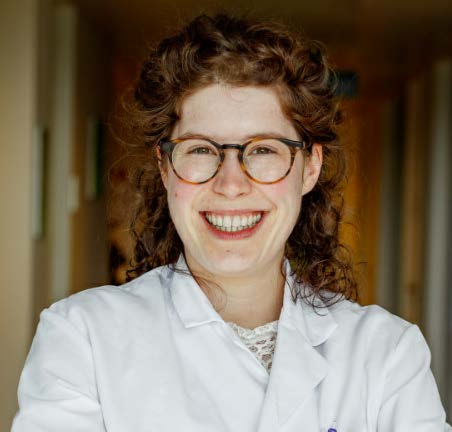
Emily Kallen, MD PhD
Although most research has focused on the eight most common allergenic foods (cow’s milk, hen’s eggs, wheat, soy, peanut, tree nut, fish and shellfish), one of the studies in the PhD project of Emily Kallen, MD (Department of Dermatology & Allergology, UMC Utrecht) showed that patients can be allergic to as many as 200 different foods, with most reactions caused by around 30 of them. Fruit allergies, particularly to apple and kiwi, were common alongside tree nut and peanut allergies.
She found that seeds, including sesame, sunflower and pine nut, as well as exotic fruits such as lychee and papaya, were most often linked to severe reactions. These findings demonstrate that a much broader range of foods can trigger serious allergic reactions than previously recognized.
The research also identified better ways to diagnose certain food allergies. Instead of testing for allergy to a whole food, measuring antibodies against specific allergenic proteins proved to be more accurate in some cases. For example, a protein called Ana o 3 was a much better predictor of cashew allergy than the standard test using whole cashew extract. The study also showed that another protein, Pru p 7, is a strong predictor of severe peach allergy.
The gold standard for diagnosing food allergy is an oral food challenge, in which patients consume increasing amounts of a suspected food under medical supervision. These tests are reliable but require a great deal of time and hospital capacity.
Emily Kallen and colleagues found that carefully selected patients with a low risk of severe reactions can safely perform these food challenges at home when they receive clear instructions, emergency medication and direct access to healthcare professionals. This approach could reduce waiting lists and lower healthcare costs while maintaining patient safety. In addition, the study showed that monitoring of heart rate, blood pressure, breathing rate and other vital signs during hospital-based food challenges may help doctors detect allergic reactions before objective symptoms become visible, making the procedure even safer.
Emily Kallen emphasized: “My research highlights that food allergy treatment should become more tailored to individual patients. For example, many people with birch pollen-related food allergy can tolerate processed forms of foods that cause reactions when eaten fresh. Some patients allergic to raw almonds could safely eat roasted almonds, while others reacted to soy milk but not to other soy products. The findings also suggest that pine nuts and sunflower seeds should be considered for future allergen labelling because they frequently caused severe reactions.”
Together, these results provide practical tools to improve food allergy care. By combining more accurate diagnosis, safer testing and personalized dietary advice, this PhD project offers new opportunities to improve patients’ quality of life while making healthcare more efficient.
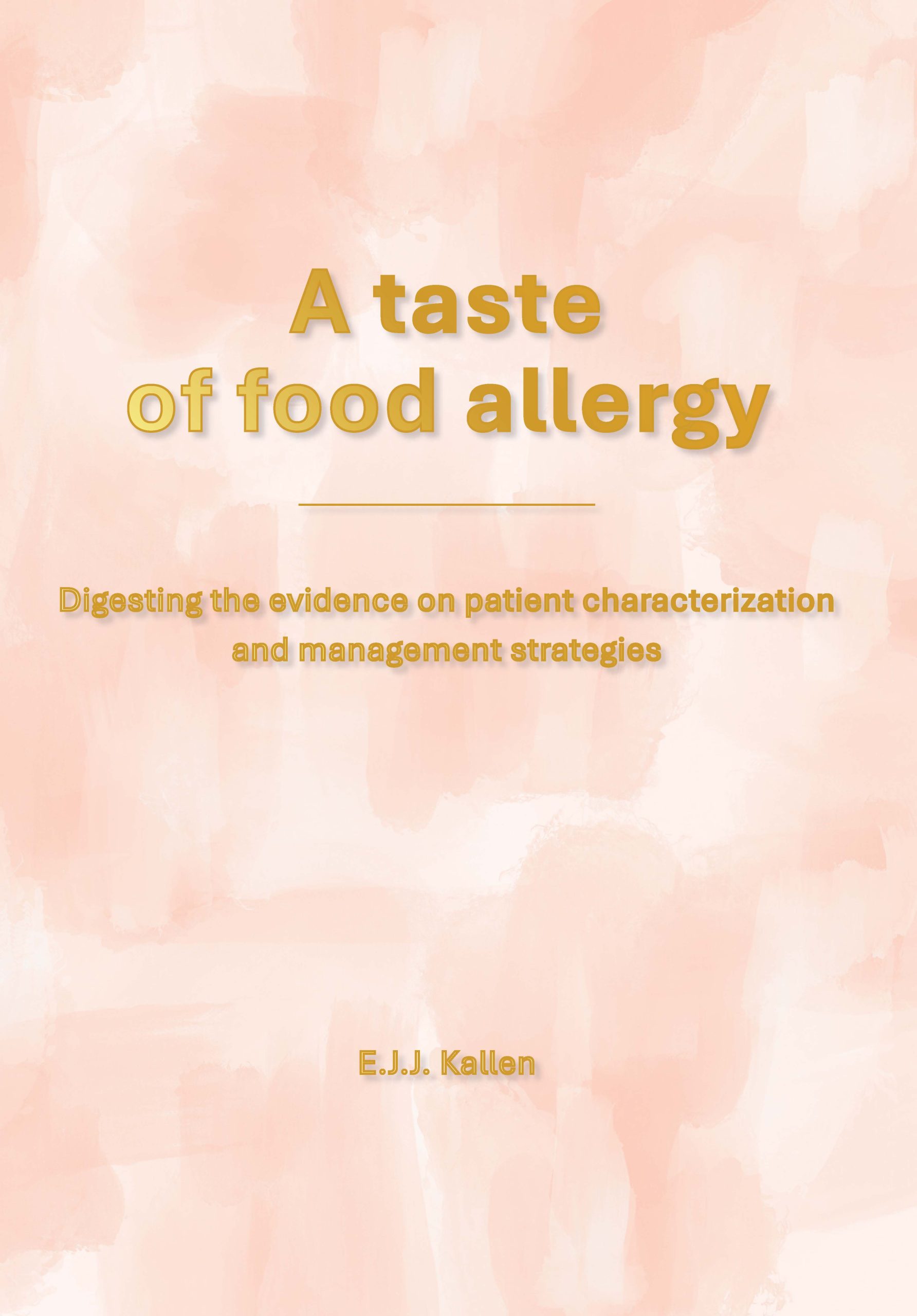
Emily Kallen, MD (1994, Graft-de Rijp) defended her PhD thesis on June 24, 2026 at Utrecht University. The title of her thesis was “A taste of food allergy – Digesting the evidence on patient characterization and management strategies.” Supervisors were Prof. André Knulst, MD PhD (Department of Dermatology & Allergology, UMC Utrecht) and Prof. Ronald van Ree, MD PhD (Departments of Experimental Immunology, Amsterdam UMC). Co-supervisors were Thuy-My Le, MD PhD (Department of Dermatology & Allergology, UMC Utrecht) and Paco Welsing, PhD (Department of Rheumatology & Clinical Immunology, UMC Utrecht).
In January 2026, Emily Kallen started her dermatology residency program at UMC Utrecht.