A maternal vaccine against respiratory syncytial virus (RSV) could prevent more infant deaths in low- and middle-income countries than previously estimated, according to a new study by Joukje Willemsen (UMC Utrecht). Her PhD thesis also highlights how better data and improved modelling can help policymakers make more informed decisions about introducing life-saving vaccines.
Respiratory syncytial virus (RSV) is the major cause of lower respiratory tract infections in young children. Globally, RSV infection presents a significant health problem and burden to the healthcare system with nearly 2 percent (1 in 56) of all healthy term infants are admitted to hospital with RSV infection. In addition, RSV infection is responsible for >100,000 deaths each year among children <5 years of age. The majority of these deaths occur in low- and lower-middle-income countries (LMICs) due to the lack of high-quality healthcare.
The research of Joukje Willemsen, MSc (Department of Pediatric Infectious Diseases, Wilhelmina Children’s Hospital, part of UMC Utrecht) focused on maternal vaccination, in which pregnant women are vaccinated so that protective antibodies are passed to their unborn child. Because this type of protection is only effective during the first months of life, understanding when infants die from RSV is crucial for estimating how many deaths can be prevented by vaccination.
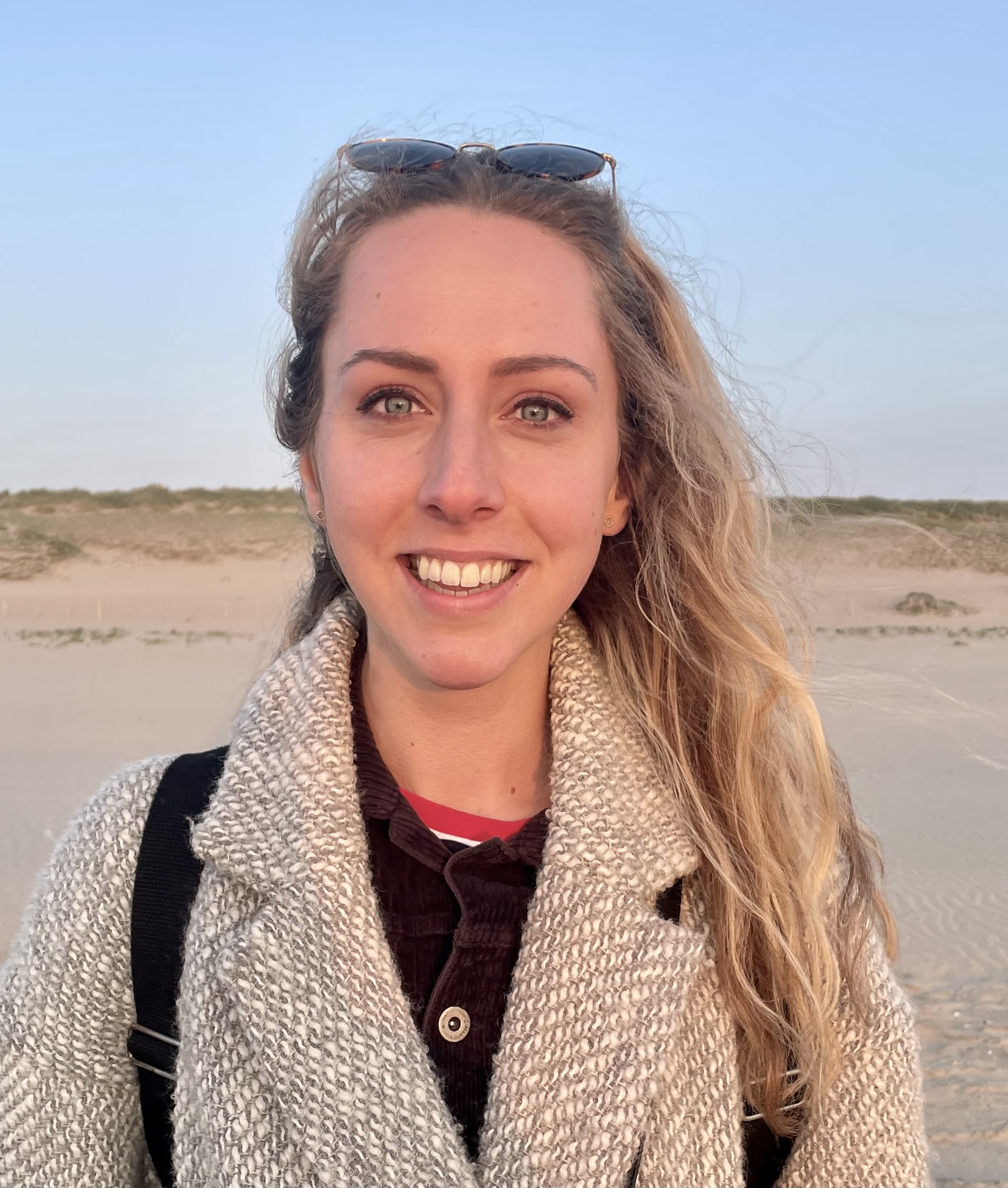
Joukje Willemsen
A key finding of this thesis is that previous studies may have underestimated the vaccine’s impact. Many global mortality estimates are based on retrospective hospital-based mortality surveillance data. However, these data often fail to capture deaths occurring in the community and can be affected by biases related to RSV testing practices, access to healthcare, and healthcare-seeking behavior. By analyzing data from 15 low-income countries, and carefully addressing potential biases in data selection and methodology, Willemsen and co-workers found that infants dying from RSV in these counties are often younger than previously assumed. Her research suggests that in low-income countries as many as 77 percent of RSV-related deaths occur within the first six months of life, compared with 45 percent in widely used global estimates. “This means that the number of deaths that could potentially be prevented by maternal vaccination may be substantially higher than previously thought,” Willemsen concludes.
The thesis also presents an updated mathematical model that estimates the potential impact of maternal RSV vaccination. The model predicts that the currently available RSVpreF vaccine could reduce RSV-related mortality among infants younger than six months by 55–63 percent in low- and middle-income countries under realistic implementation scenarios. In optimal circumstances, the reduction could theoretically exceed 80 percent.
Another important finding concerns the timing of vaccination during pregnancy. Vaccinating women between 24 and 27 weeks of gestation appears to provide the largest protection for infants. Restricting vaccination to later stages of pregnancy could reduce the vaccine’s overall impact and leave vulnerable preterm infants unprotected.
These findings comes at a pivotal moment. In 2025, Gavi, the Vaccine Alliance, announced support for maternal RSV vaccination programs in eligible countries. In her thesis, Willemsen argues that future policy decisions should be guided by better mortality data, better understanding of maternal antibody transfer, and realistic implementation models. Together, these insights could help to maximize the global impact of RSV prevention strategies and save thousands of young lives each year.
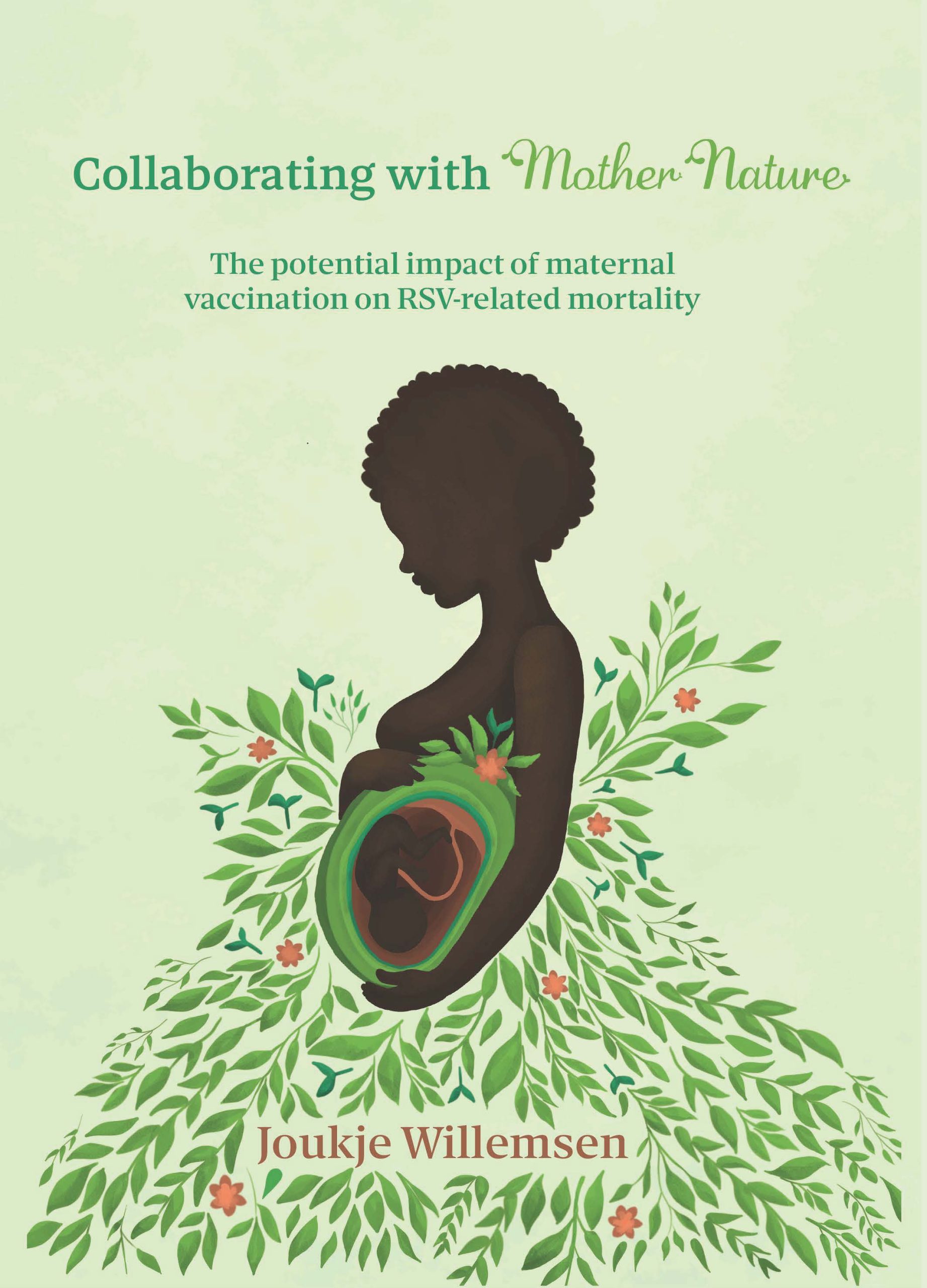
Joukje Willemsen, MSc (1995, Utrecht) defended her PhD thesis on May 22, 2026 at Utrecht University. The title of her thesis was “Collaborating with Mother Nature – The potential impact of maternal vaccination on RSV-related mortality.” Supervisors were Prof. Louis Bont, MD PhD (Department of Pediatric Infectious Diseases, UMC Utrecht) and Prof. José Borghans, PhD (Center for Translational Immunology, UMC Utrecht). Co-supervisor was Julia Drylewicz, PhD (Center for Translational Immunology, UMC Utrecht). In December 2025 Joukje started working as a statistician at the Trial and Data Centre at the Prinses Maxima Centre in Utrecht.