In October 2026, UMC Utrecht will launch the VIOOL-pneumo study on pneumococci and viruses in the respiratory tract of young children. For this study, researchers are seeking 225 children between six weeks and four years of age from the Utrecht area. The study aims to provide insight into changes following the introduction of a broader-spectrum pneumococcal vaccine and into the interaction between bacteria and viruses in respiratory symptoms.
Pneumococci are bacteria commonly found in the nose and throat of young children. While these bacteria usually do not cause harm, they can sometimes cause serious infections, such as pneumonia, sepsis, and meningitis. According to the National Institute of Public Health and the Environment (RIVM), severe pneumococcal disease affects approximately 75 children in the Netherlands each year. Of these, about 5 percent die. To prevent this as much as possible, children are vaccinated against pneumococci through the National Immunization Program. In 2024, the Netherlands switched from a vaccine targeting ten types of pneumococcal bacteria to one targeting fifteen types.
The VIOOL-pneumo study investigates how often children carry pneumococci and which types. The researchers are comparing these data with the period prior the switch to the new vaccine. Their goal is to better understand what the change in vaccine means for the prevalence of pneumococci in young children. They are also investigating how pneumococci and respiratory viruses are linked to the onset and severity of respiratory symptoms.
For the study, UMC Utrecht is seeking children between the ages of six weeks and four years who have an older sibling or who attend daycare for at least two half-days per week. The family must live within approximately a 30-minute travel of UMC Utrecht.
Each child will participate in the study for 16 weeks. Parents will use an app to keep a digital diary of their child’s respiratory symptoms. In addition, they will collect a shallow nasal swab sample from their child themselves once a week using a cotton swab. They will also collect saliva samples using a saliva sponge at the beginning and end of their participation in the study. The researchers will use these samples to determine which bacteria and viruses are present in the child.
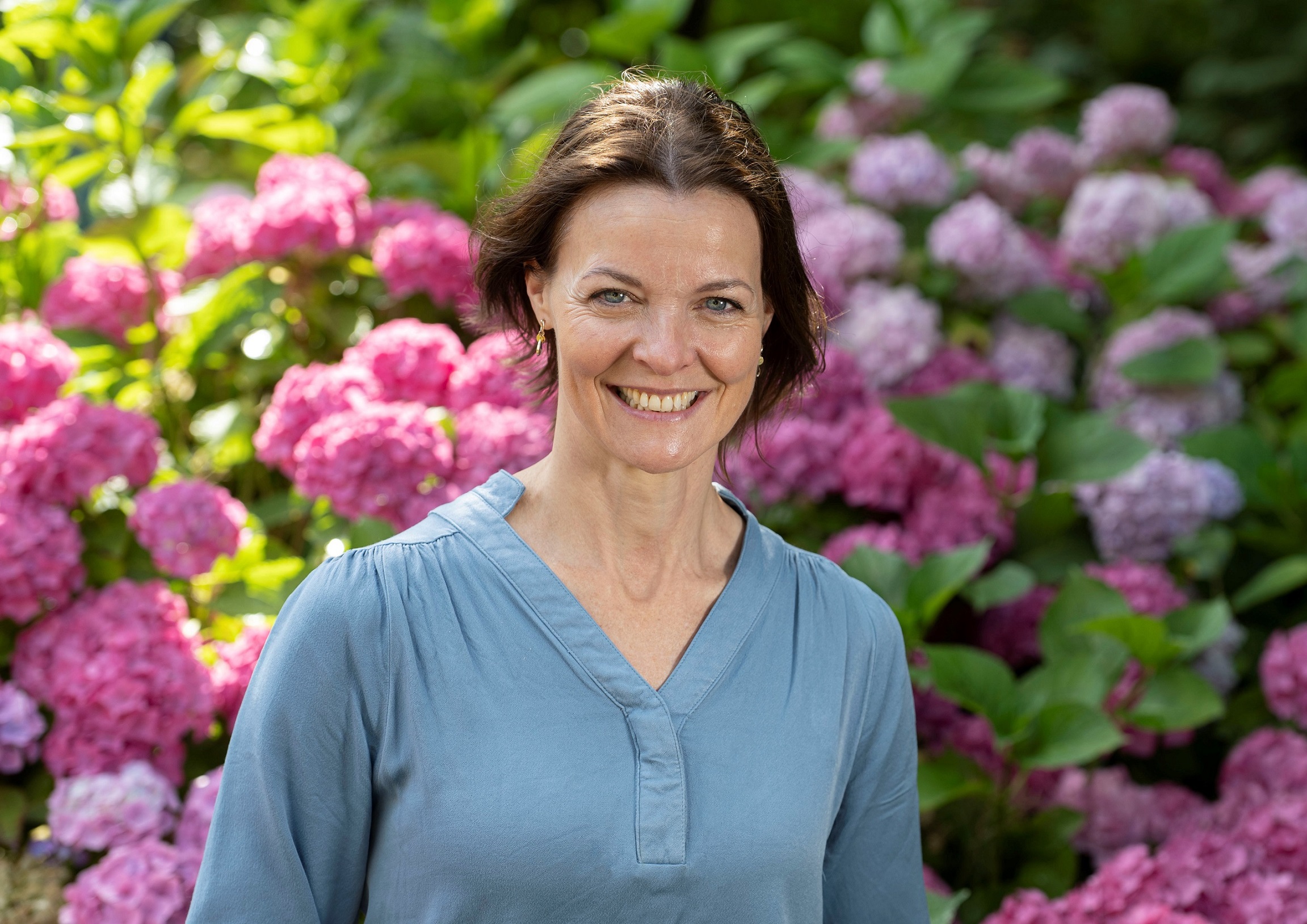
Prof. Patricia Bruijning-Verhagen, MD PhD
The study is led by pediatrician and principal investigator Prof. Patricia Bruijning-Verhagen, MD PhD (Department of Epidemiology of Infectious Diseases, UMC Utrecht). She explains: “We measure the presence of pneumococci and viruses in the children’s successive nasal swabs and how this relates to the onset and resolution of respiratory symptoms. This allows us to determine the effects of the new pneumococcal vaccine. We are also learning more about how viruses and bacteria in the respiratory tract influence each other and the occurrence of symptoms such as colds, coughing, fever, and shortness of breath. What makes this study unique is that we are examining these dynamics specifically in healthy children. This helps us learn more about the normal patterns of respiratory infections and how vaccination affects them.”
The VIOOL-pneumo study is an observational study: this means that the researchers are collecting data on the children’s health in their daily lives. The children will not receive a vaccine as part of this study, nor will they undergo any treatment.
Participation starts with a home visit. Parents receive an explanation of the study and how to use the app. They also complete questionnaires about their child and their family. A freezer at home is required for the temporary storage of research samples.
The study is scheduled to run for three consecutive seasons: from October 2026 to April 2027, from October 2027 to April 2028, and from October 2028 to April 2029. Participation does not provide any direct health benefit for the child. If desired, parents can receive information after the study is completed about the bacteria and viruses that were detected.
The researchers hope that the results of this study will provide a better understanding of how pneumococci and viruses together influence respiratory symptoms. This knowledge can help determine which vaccines -or combinations of vaccines – will yield the largest health benefits for young children.
Interested parents can visit www.viool-pneumostudie.nl for information on participation or contact the study team at VIOOL-pneumo@umcutrecht.nl.