Researchers from UMC Utrecht and Amsterdam UMC have developed a new model that mimics the blood-brain barrier. This barrier protects our brains from harmful substances and bacteria, but it also blocks many medicines. With the new model, researchers can better study how medicines reach the brain. This can contribute to the development of new treatments for brain disorders.
An effective medicine is the first step in treating a disease. But that medicine also needs to reach the right place in the body. This is particularly challenging for brain disorders. The blood-brain barrier protects our brains from harmful toxins and bacteria, but at the same time it also blocks many medicines.
Studying how medicines can cross this barrier is also difficult. Taking brain biopsies to test medicine can cause irreversible damage to the brain. Furthermore, animal models offer only a partial solution, because brains and blood vessels of animals differ from those of humans.
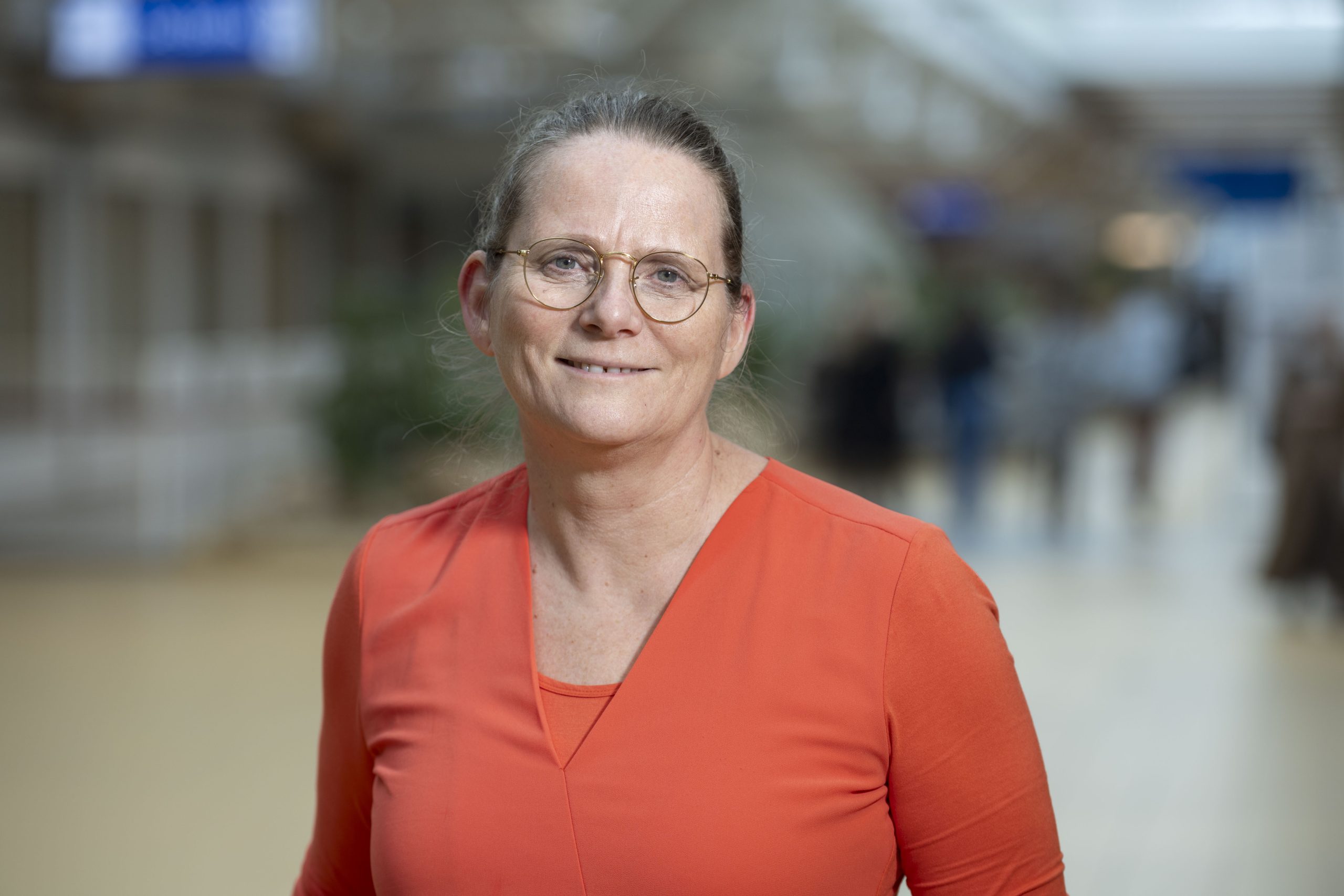
Prof dr Elly Hol
That is why Elly Hol, Vice-Dean of Research at UMC Utrecht, and Elga de Vries from Amsterdam UMC started the CONNECT study. In this project, they developed a model that mimics the human blood-brain barrier in the lab. The researchers grew human stem cells into brain organoids and then connected them to models of blood vessels in the brain.
With this model, researchers can study which substances can cross the blood-brain barrier and what effect medicines then have on brain tissue. In the long term, this could help researchers develop and test treatments for brain disorders such as Alzheimer’s and Parkinson’s disease.
The CONNECT study has now been completed, but the researchers want to improve the model further. As a next step, they are exploring whether they can develop the model using stem cells from individual patients. “This could help us better understand how different patients respond to medicine in the future,” says Hol. Ultimately, this could help develop treatments that are better tailored to individual patients.
The CONNECT study is led by Elly Hol from UMC Utrecht and Elga de Vries from Amsterdam UMC. The research was funded by Hersenstichting, Stichting Proefdiervrij, NWO, Health~Holland and Samenwerkende GezondheidsFondsen (SGF).