Analyses of data collected in the PRIMA birth cohort did not find a relation between maternal diet during breastfeeding and the occurrence of eczema or food allergy symptoms during the first year of life. Nevertheless, the active support of breastfeeding and a healthy maternal diet remains important for other health benefits, emphasized fresh PhD Anneke Hellinga in her thesis (UMC Utrecht).
The first 1,000 days of life – from conception to age two – are critical for the growth and development of a child. During this period, the infant’s body is shaped, organs, metabolism, immune system develop further, and the gut microbiome establishes. Nutrition during this time determines growth, immunity and gut health. While much attention has been given to diet during pregnancy, less is known about whether maternal diet while breastfeeding influences the baby’s risk of developing allergies. The PhD project of Anneke Hellinga, MSc (Center for Translational Immunology, UMC Utrecht) explored whether a mother’s diet during lactation influences her baby’s risk of developing eczema or food allergies. Analyses in the PRIMA birth cohort, which followed over 1,000 mother-infant pairs in the Utrecht region, Hellinga and colleagues studied up to 272 mothers’ diets and their babies’ health during the first year of life.
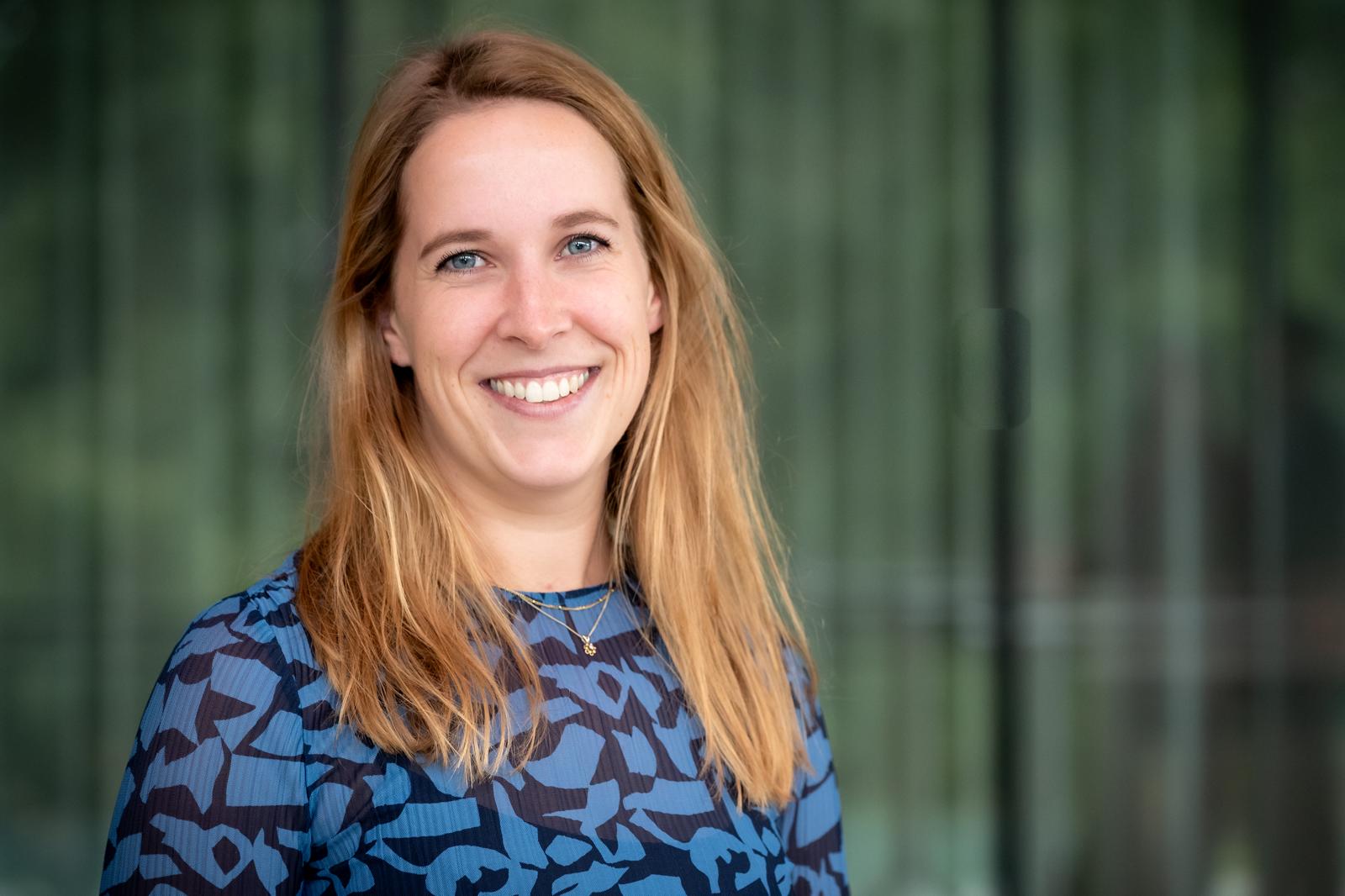
Anneke Hellinga PhD
Based on previously published studies, Hellinga and colleagues generated a systematic summary and found that the consumption of complex fatty acids like omega-3 fatty acids relates to the level of those fatty acids in breast milk. To take this further, Hellinga studied the relation between this and other diet components during lactation and the health of the baby. Her analysis showed that a mothers’ diet is relatively stable during the first months postpartum, despite mother’s breastfeeding or work status. Hellinga did not observe that adherence to dietary guidelines, intake of omega-3 fatty acids or allergenic foods (specifically eggs, milk or nuts) was associated with their babies’ risk of eczema and possible food allergies. The strongest predictor of infant eczema and food allergy symptoms in her analysis was family history, in line with findings of others.
Hellinga also studied a group of complex sugars in breast milk, called human milk oligosaccharides (HMOs), which help to support the immune system. She found that the amount of one specific type of HMO (fucosylated HMO) was not influenced by how much dietary fiber the mother consumed, but was mainly determined by the mother’s genetics. Laboratory studies suggested that both the mother’s and the baby’s genetic background may affect how the immune system responds to these sugars. This implies that genetics should be given more attention in future research.
Overall, this thesis shows that although a mother’s diet can affect some components of breast milk, it is unclear whether these changes are large enough to meaningfully influence a baby’s development as analyzed within the first year of life. Anneke Hellinga concluded: “In our study, no link was found between a mother’s diet during breastfeeding and eczema or food allergy symptoms in the baby’s first year. Even so, breastfeeding and healthy eating remain important for many other health benefits. More research is needed to better understand how these factors may affect a child’s risk of developing allergies.”
The PRIMA (Protecting against Respiratory tract Infections through human Milk Analysis) birth cohort is a 1,000 mother-child pair, prospective, longitudinal study in the Netherlands aimed at identifying human milk components that protect against infant respiratory infections and allergies. In a public-private partnership, researchers analyze milk samples for antibodies, T cells, oligosaccharides, and extracellular vesicles during the first six months of life. The primary outcome of the study is the number of parent-reported medically attended respiratory infections. Secondary outcomes that will be measured are physician diagnosed (respiratory) infections and allergies during the first year of life.
Anneke Hellinga, MSc (1996, Leeuwarden) defended her PhD thesis on February 12, 2026, at Utrecht University. The title of her thesis was “You are not what your mother eats – Maternal diet during lactation.” Supervisors were Prof. Louis Bont, MD PhD (Department of Pediatrics, UMC Utrecht), Prof. Aletta Kraneveld, PharmD (Division of Pharmacology, Utrecht University) and Prof. Jeanette Leusen, PhD (Center for Translational Immunology, UMC Utrecht). Co-supervisor was Belinda van ‘t Land, PhD (Center for Translational Immunology, UMC Utrecht and Danone Research & Innovation Center, Utrecht). Anneke Hellinga continues her work as a postdoctoral researcher at Utrecht University, in close collaboration with the PRIMA cohort (coordinated by UMC Utrecht) and the Institute of Agrochemistry and Food Technology (part of the Spanish National Research Council in Valencia).