Why are head and neck tumors so aggressive? Does the location of colorectal cancer metastases influence the effectiveness of chemotherapy? How can we treat patients faster with advanced medicines? These and other questions are central to seven new research projects at UMC Utrecht. KWF Dutch Cancer Society is funding these projects with a total of more than €2.5 million. Below, we highlight the studies.
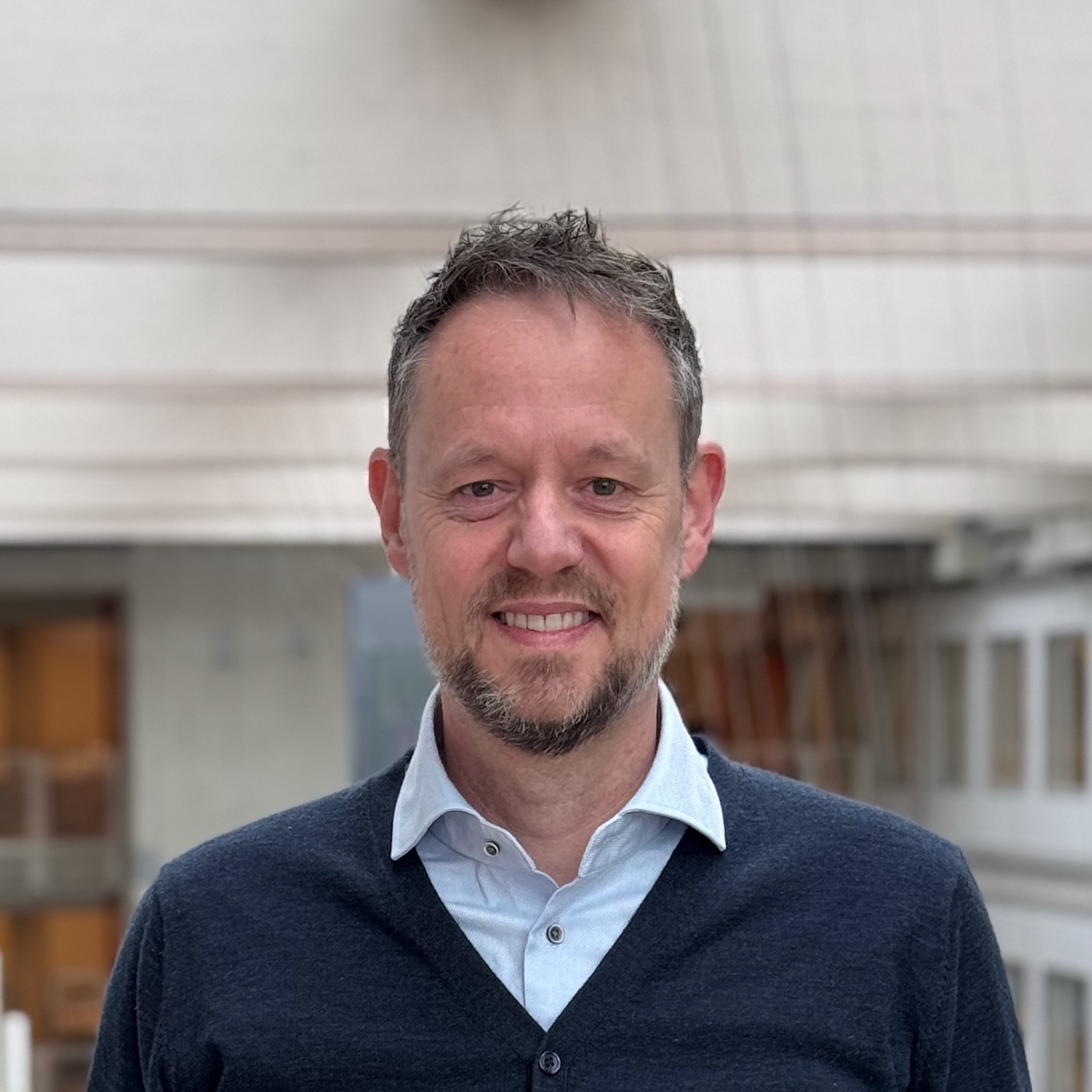
Patrick Derksen
Head and neck cancer is one of the deadliest forms of cancer. Surgery is challenging because tumor cells spread rapidly or invade surrounding tissue. It is also difficult to predict why some tumors respond well to treatment while others do not.
Research by Patrick Derksen, Professor of Experimental and Preclinical Oncopathology, shows that tumors containing high levels of the molecule FER are more aggressive. This enzyme stimulates the growth of proteins that drive cancer cells.
Patrick has now received more than €830,000 from KWF/Alpe d’HuZes to further investigate this. Using organoids (mini-tumors grown in the lab from patient-derived head and neck tumors), he and his colleagues will examine in greater detail how FER molecules stimulate proteins and therefore cancer cells. They will also test two new FER-inhibiting drugs in the laboratory.
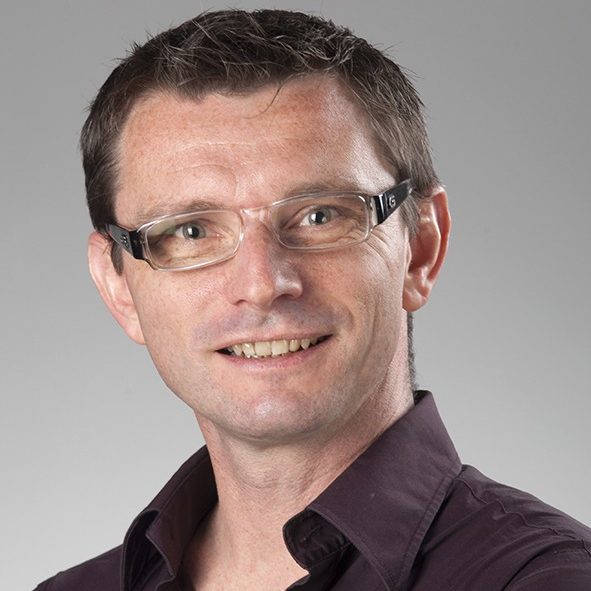
Onno Kranenburg
Colorectal cancer can spread to different parts of the body, most commonly to the liver, lungs, and peritoneal cavity. The location of metastases directly affects survival rates and quality of life. Prognosis is particularly poor when the cancer has spread to the peritoneal cavity.
In such cases, chemotherapy is also less effective. At present, clinicians often do not take the location of metastases into account when deciding whether and which type of chemotherapy to administer.
Recent research by Onno Kranenburg, Professor of Surgical and Translational Tumor Biology, shows that the location of metastases does indeed influence the success of chemotherapy.
Onno and his team have now received more than €375,000 from KWF/Alpe d’HuZes to further explore this. In the lab, they will test whether and how the site of metastases (liver, lung, peritoneal cavity, brain) influences the effectiveness of three standard chemotherapy regimens. They will do so using organoids (mini-tumors) grown from metastatic tissue of colorectal cancer patients.
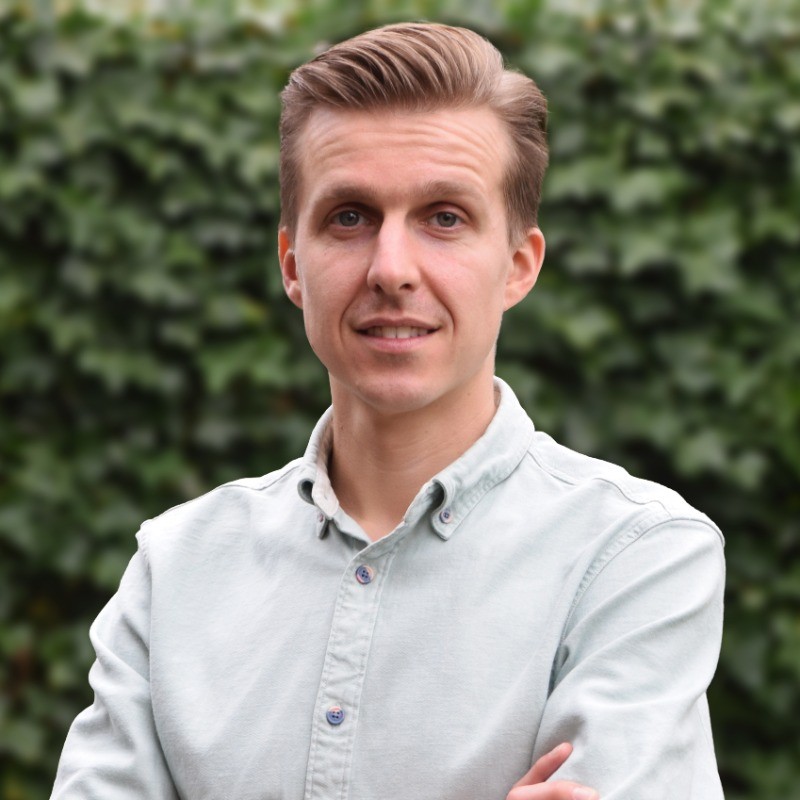
Robert-Jan Kwakman
Much research on colorectal, small bowel, and anal cancer is conducted in young and physically fit patients. This is not representative of the average patient population, which often includes older individuals. As a result, predicting treatment outcomes is more difficult, leading to unnecessary side effects and costs for society.
To develop personalized treatment strategies, researchers and clinicians need data from a wide range of patients. For this purpose, the PLCRC (Prospective Dutch Colorectal Cancer Cohort) was established. The PLCRC now contains clinical data from 25,000 patients, with all Dutch hospitals participating.
Medical oncologist and Assistant Professor Robert-Jan Kwakman and his team have received nearly €510,000 to further develop the PLCRC. Their goals include transforming the PLCRC into an independent organization and increasing patient participation.
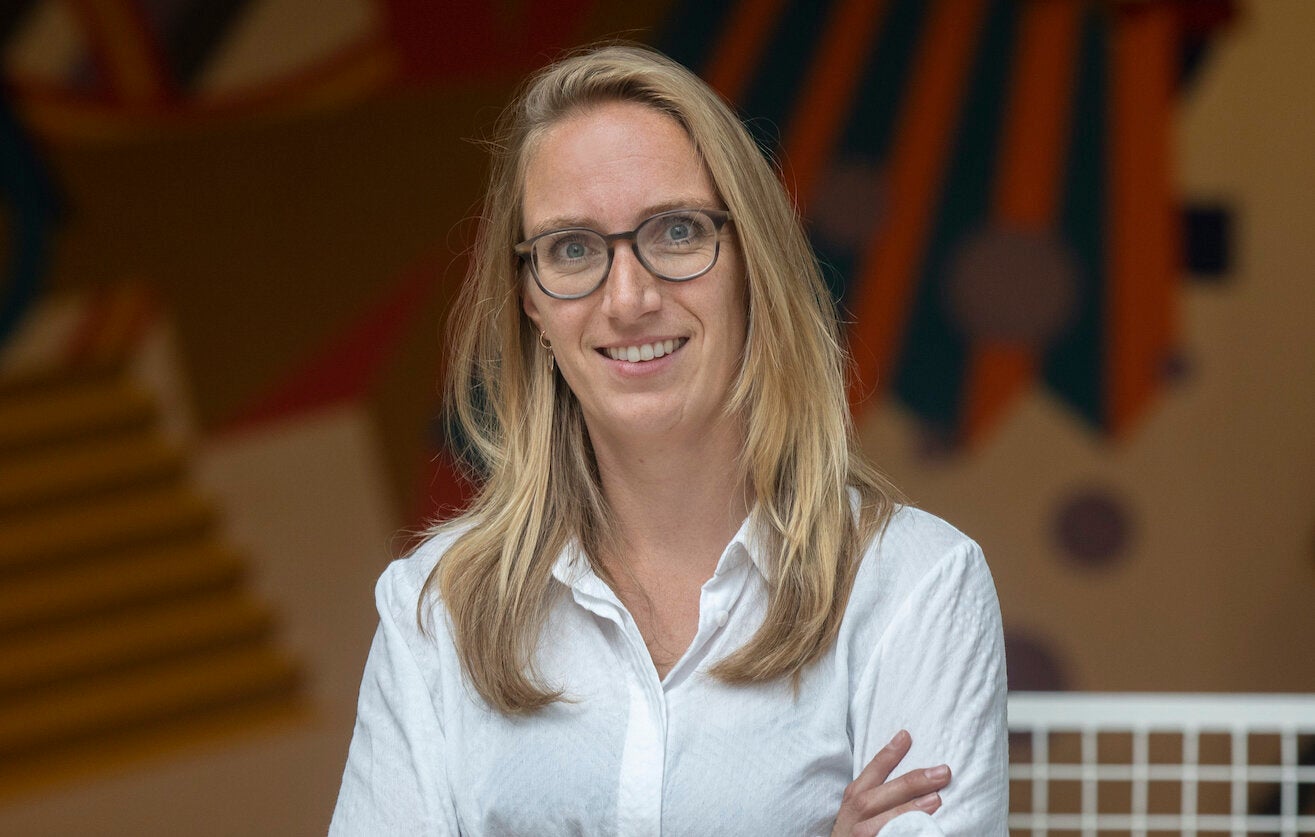
Trudy Straetemans
Innovation in cancer treatment is advancing rapidly, driven by developments such as gene therapy, cell therapy, and other advanced therapies (ATMPs).
Unfortunately, patients often do not receive these new medicines in time or at all. Achieving faster access requires strong national collaboration across different centers and disciplines. Only then can regulatory challenges be addressed, a robust infrastructure be established, and development costs kept under control.
To support this, DARE-NL was established. This national collaboration brings together the Dutch university medical centers, the Netherlands Cancer Institute (NKI-AVL), the Princess Máxima Center for Pediatric Oncology, Sanquin, and Utrecht University. It connects researchers, clinicians, pharmacists, patients, and regulators to accelerate the introduction of innovative therapies into routine clinical practice.
Trudy Straetemans, Associate Professor of Tumor Immunology, and her team have received more than €510,000 to transform DARE-NL into a sustainable, widely supported network that functions effectively from a technical and financial perspective and remains firmly embedded in both research and clinical care: DARE-NL by design.
In addition to the four major grants described above, researchers at UMC Utrecht have also received three so-called Boost Grants. Each grant provides approximately €150,000 to give an extra boost to projects already funded by KWF.
Jeanette Leusen, Professor of Antibody Therapy, and her team will use the Boost Grant to develop a new model that allows treatments designed to activate neutrophils (a type of white blood cell) to be tested more effectively in the lab. The focus is on new immunotherapies for cancer.
Jurian Schuijers, Assistant Professor at UMC Utrecht’s Center for Molecular Medicine, is using the grant to study a specific protein: beta-catenin. This protein forms droplet-like structures (condensates) in cell nuclei, which stimulate many forms of colorectal and liver cancer. The researchers are investigating whether disrupting these beta-catenin condensates can stop cancer cell growth.
Niels Eijkelkamp, Professor of Neuroimmunology of Pain, is using the Boost Grant for the development of a new system called iSENSE. This model consists of human nerve cells derived from patient stem cells and is designed to test medicines that may cause nerve damage, such as certain forms of chemotherapy. Using compounds such as Synerkines, researchers then test in iSENSE whether nerve damage can be prevented.
We are grateful to KWF Dutch Cancer Society and Alpe d’HuZes for funding these research projects and for their continued commitment to advancing cancer research in the Netherlands.