PhD research by Eelco Brand, MD, PhD (UMC Utrecht) on inflammatory bowel disease shows that combining insights into the gut microbiome, the immune system and biomarkers could help understanding the pathophysiology, improve selection of appropriate treatments and might eventually support strategies to prevent disease.
Inflammatory bowel disease (IBD), including Crohn’s disease and ulcerative colitis, is a chronic inflammatory disease of the gastrointestinal tract. It affects millions of people worldwide and it has been estimated that IBD affects approximately 120,000 people in the Netherlands. Key symptoms are diarrhea, abdominal pain, rectal blood loss, weight loss and fatigue. Although treatment options have increased in recent years with the introduction of biologicals and Janus kinase (JAK) inhibitors, many patients still do not respond well to therapy or lose response to treatment over time.
The PhD research of Eelco Brand, MD, PhD (Department of Gastroenterology & Hepatology and Center for Translational Immunology, UMC Utrecht) explored both the biological processes behind IBD and several important clinical challenges, including treatment response and disease monitoring.
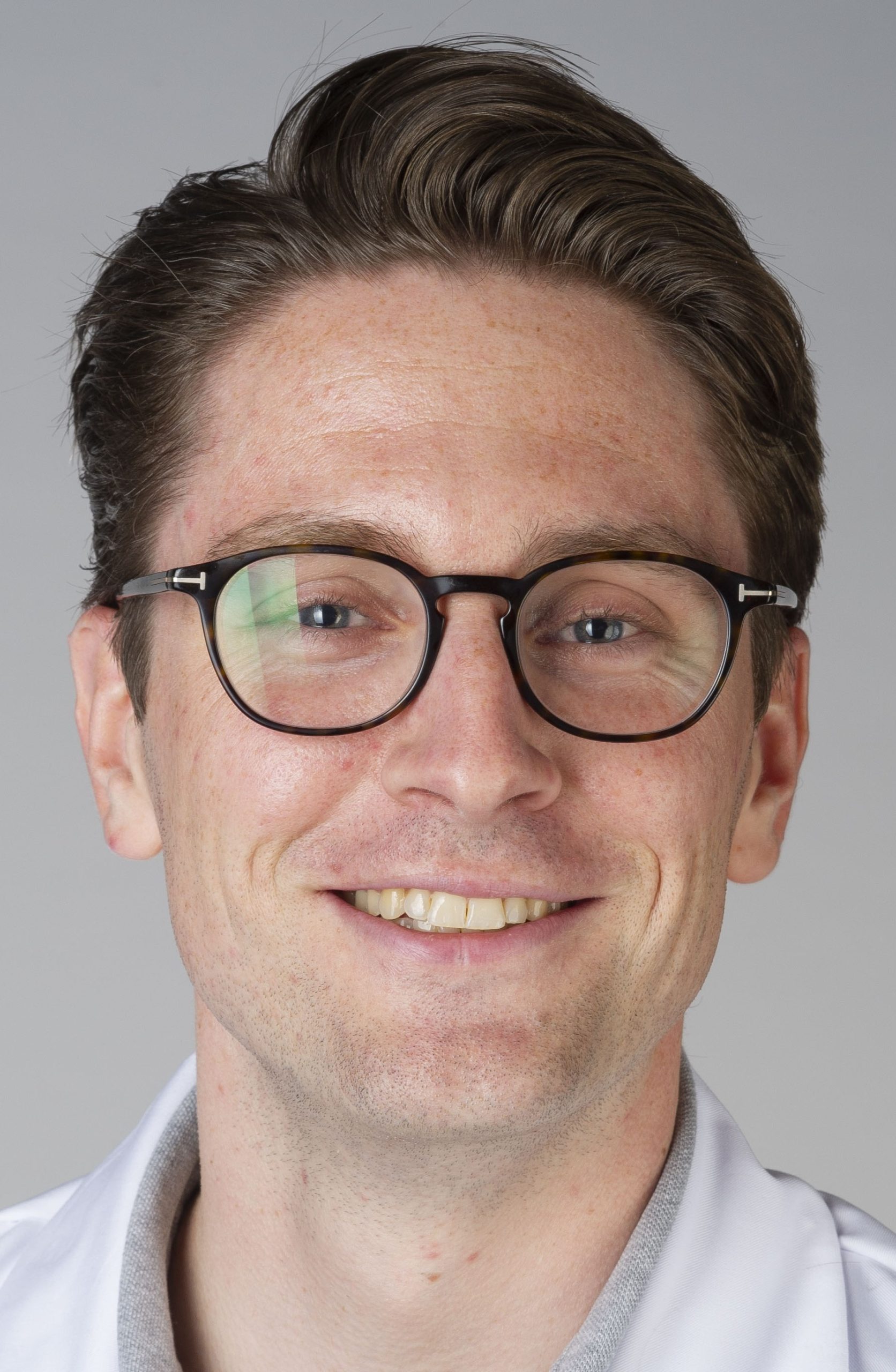
Eelco Brand, MD PhD
One of the most important findings is that biological changes may already be present long before people develop IBD. In the longitudinal TWIN-study, healthy cotwins of patients with IBD showed gut microbiome patterns that closely resembled those of their affected twin. This suggests that changes in the gut microbiome may occur before the first symptoms appear.
The researchers also found changes in T cells that point to an abnormal immune response in Crohn’s disease. Together, these findings provide new clues about the early stages of the disease and may help researchers identify people at high risk before IBD develops. Understanding this preclinical phase could eventually open the door to strategies that delay or even prevent disease in people who are at increased risk.
The thesis of Eelco Brand also investigated why some patients respond better to treatment than others. In ulcerative colitis, certain patterns of enzyme activity in the intestinal lining were linked to inflammation and appeared to differ between patients who did and did not respond to JAK inhibitor tofacitinib. Although more research is needed, these findings may contribute to the development of more personalized treatment in the future.
Another study in his thesis found that women stopped anti-TNF treatment more often than men, mainly because of side effects. Recognizing these differences could help doctors better guide treatment decisions and improve patient care.
Monitoring of IBD often requires repeated colonoscopy, which can be uncomfortable and burdensome for patients. Brand and co-workers evaluated existing prediction models based on symptoms and blood or stool tests to determine whether they could reliably replace endoscopy. The results showed that the currently available models are not sufficiently accurate to avoid colonoscopy in most patients. This means endoscopy remains the most reliable method for assessing disease activity, while new non-invasive monitoring tools continue to be developed.
In 2021, Eelco Brand was featured in a video on the TWIN-study:
Eelco Brand summarizes: “Our research highlights the importance of studying the earliest stages of IBD, when disease processes are already starting but symptoms have not yet appeared. Combining insights into the gut microbiome, the immune system and biomarkers could help identify people at high risk, improve selection of appropriate treatments and eventually support strategies to prevent IBD.”
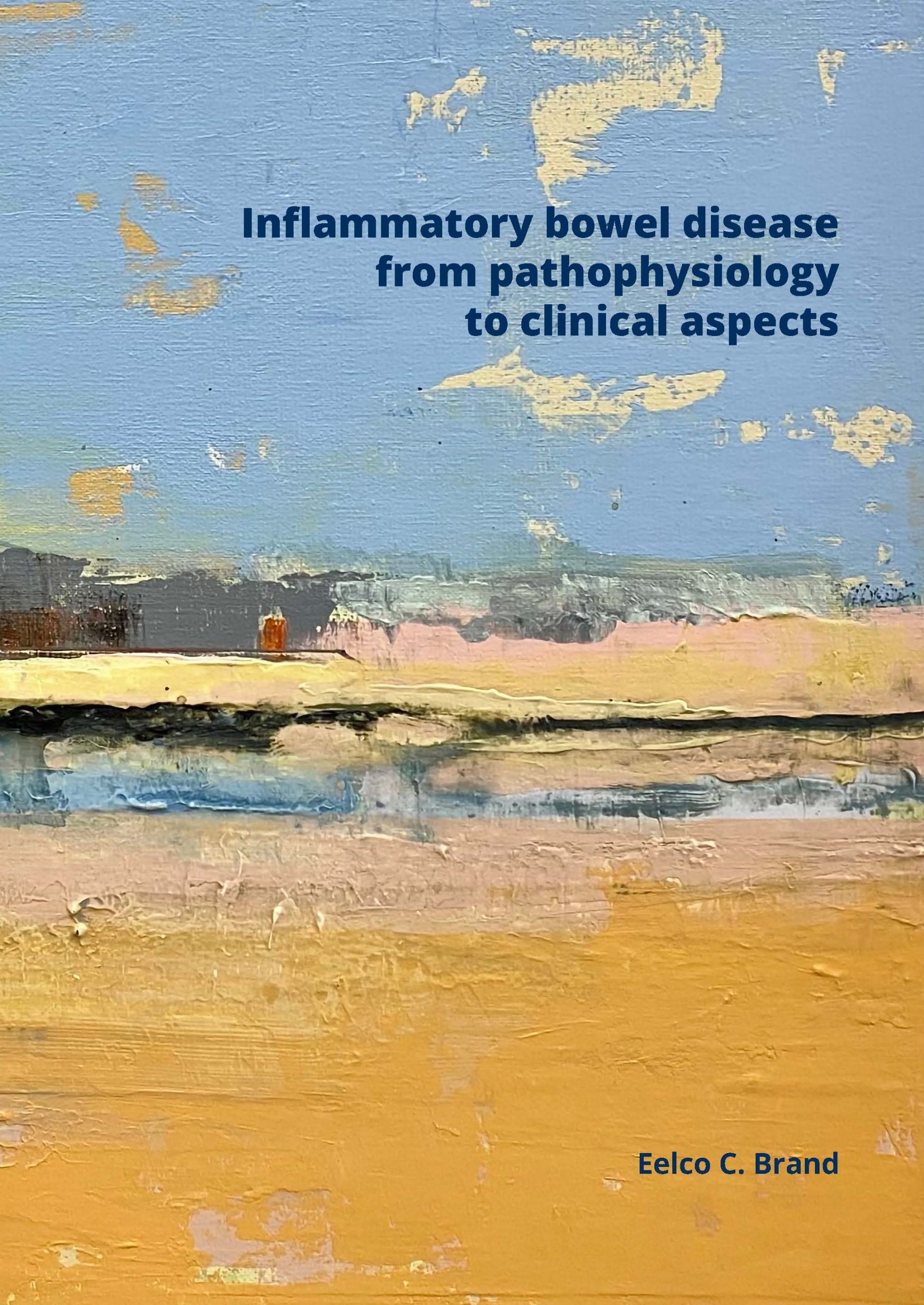
Eelco Christian Brand, MD (1990, Utrecht) defended his PhD thesis on July 7, 2026 at Utrecht University. The title of his thesis was “Inflammatory bowel disease from pathophysiology to clinical aspects.” Supervisors were Prof. Bas Oldenburg, MD PhD (Department of Gastroenterology and Hepatology, UMC Utrecht) and Prof. Femke van Wijk, PhD (Center for Translational Immunology, UMC Utrecht).
Eelco Brand works as a resident in gastroenterology and hepatology at UMC Utrecht.