Assistant Professor - medical
Strategic program(s):
Biography
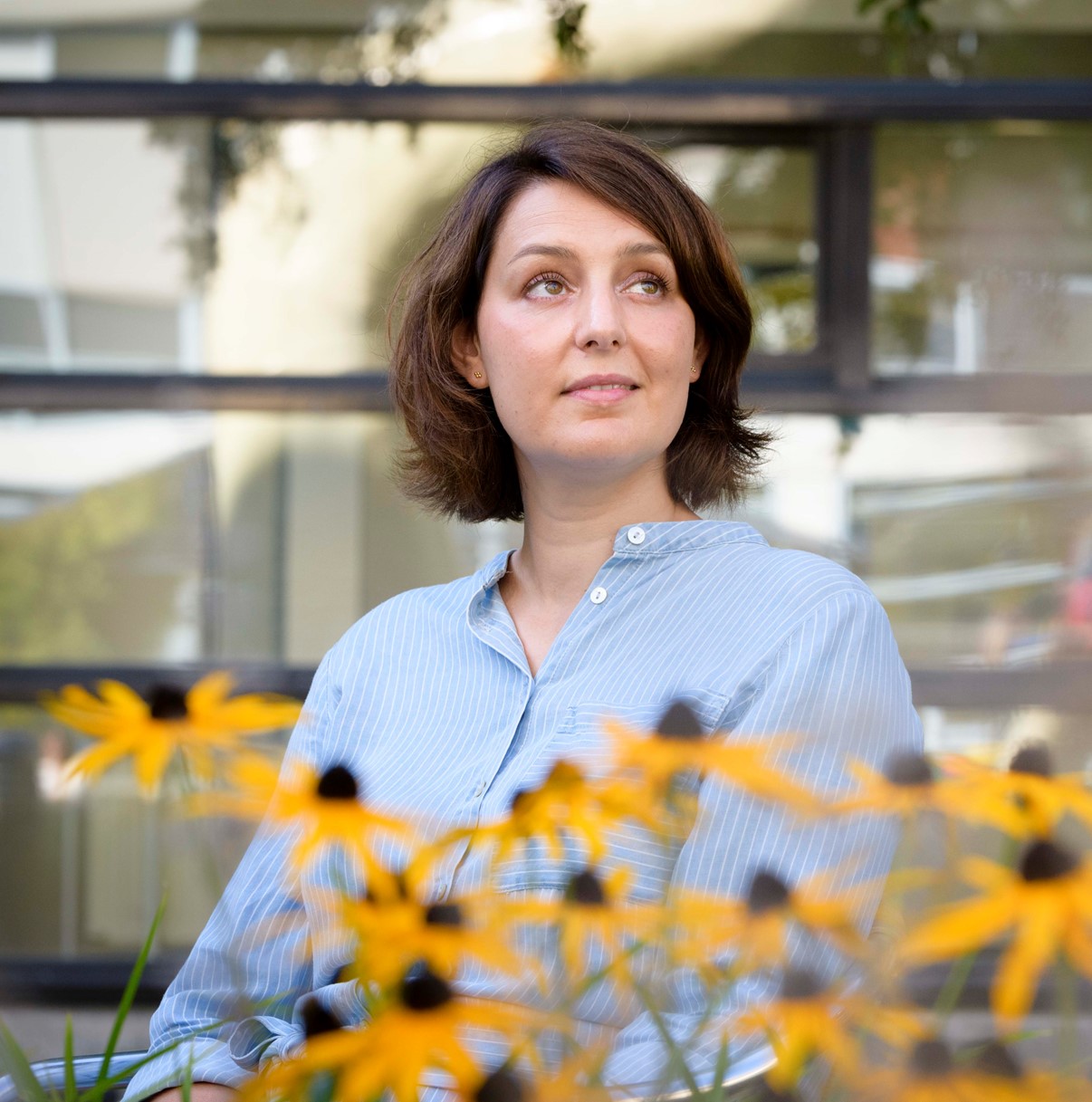
Marlies de Graaf is a dermatologist and clinical scientist at the University Medical Center Utrecht (UMCU), where she leads the Pediatric Dermatology Department at the Wilhelmina Children’s Hospital. She also heads the National Expertise Center for Atopic Dermatitis in Children. Her research mission is to improve personalized care for children with severe AD thereby improving their quality of life. By learning from adult care, but focusing on the uniqueness of children, she tries to answer questions that arise in early interventions, such as the safety of treatment for children and the possibility of modifying the immune system. For this, she has built a unique cohort with biomaterial from young children with AD.
Marlies completed her medical training at Maastricht University (2000-2006) and her dermatology residency and PhD (2013) at UMC Utrecht. In order to further develop her research qualities, Marlies was appointed as a clinical scientist (2025). Her research focuses on atopic dermatitis (AD) and related atopic comorbidities in children and adults. She is co-PI of the BioDay Registry, a national registry that collects real-world data on systemic treatments for AD. She is PI of clinical trials and supervises multiple PhD candidates and junior researchers. Her work integrates clinical data with immunological profiling, enabling personalized treatment strategies and life-course research. She has also pioneered non-invasive sampling methods to facilitate translational research studies in young children.
Marlies is an active member of the Dutch Society of Dermatology and Venereology’s Pediatric Dermatology Expertise Group, the advisory board Dutch Patient Society for Atopic Dermatitis (VMCE) and serves on the board of the European Society of Pediatric Dermatology.
Research aim
By combining clinical and translational research the goal of our research is to improve personalized treatment of adult and pediatric atopic dermatitis patients. The ultimate goal is to achieve disease modification and prevent atopic comorbidities.
Go to group