Researchers at UMC Utrecht have made significant advances in the treatment of metastatic colorectal cancer. Three new studies show that so-called organoids – small, laboratory-grown versions of a patient’s tumor –are valuable predictors of treatment response while also providing new insights into therapy resistance.
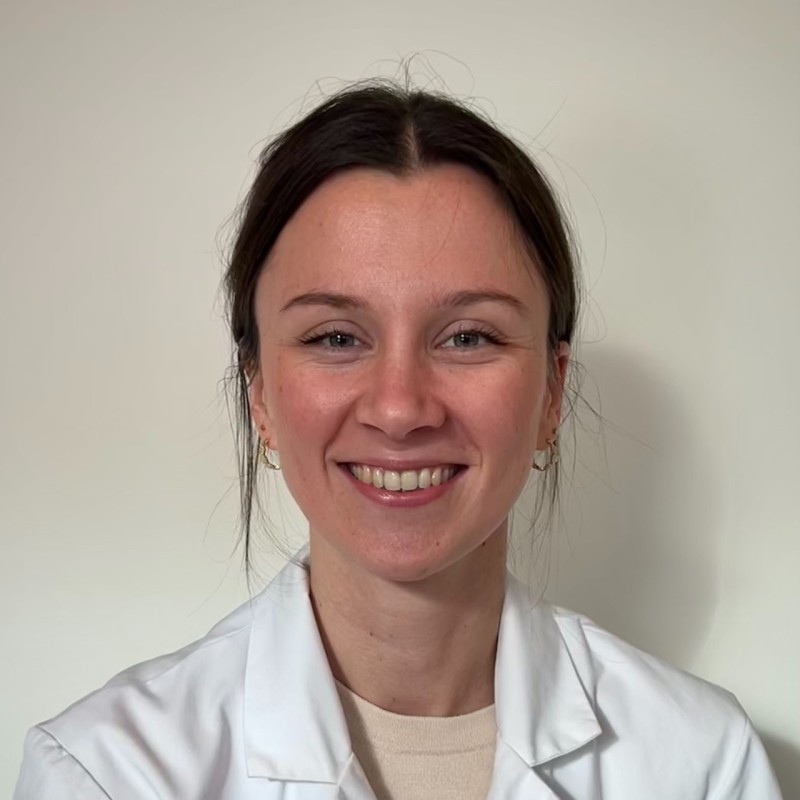
Lidwien Smabers
Physician-researcher Lidwien Smabers explains how the approach works: “We take a small piece of tumor tissue from a patient, from which we grow mini-tumors , called organoids. We then test standard treatments on these organoids to evaluate their value in predicting patient response to chemotherapy and targeted therapies.”
The first study, published in Clinical Cancer Research, focuses on predicting treatment response to chemotherapies such as 5-FU and oxaliplatin. “Especially for oxaliplatin, previous studies were contradictory regarding predictability”, says Smabers. “We show that the response of organoids closely corresponds with tumor growth or shrinkage on CT scans, as well as with patient survival. This is an important step toward better tailoring treatment to the individual patient.”
The second study, published in iScience, investigates why some tumors become resistant to treatment. Organoids derived from previously treated patients showed specific mutation patterns associated with chemotherapy resistance. “These insights help us understand why some tumors become insensitive to treatment and provide leads for developing new therapies that specifically target resistant tumors”, Smabers explains.
The third publication, in Oncogene, used extensive DNA analysis – whole genome sequencing – to identify actionable genetic alterations. “In nearly half of the patients, we found new therapeutic targets that were not detected with standard diagnostics”, says Smabers. “With this information, we can treat patients more precisely and increase the likelihood of therapeutic success.”
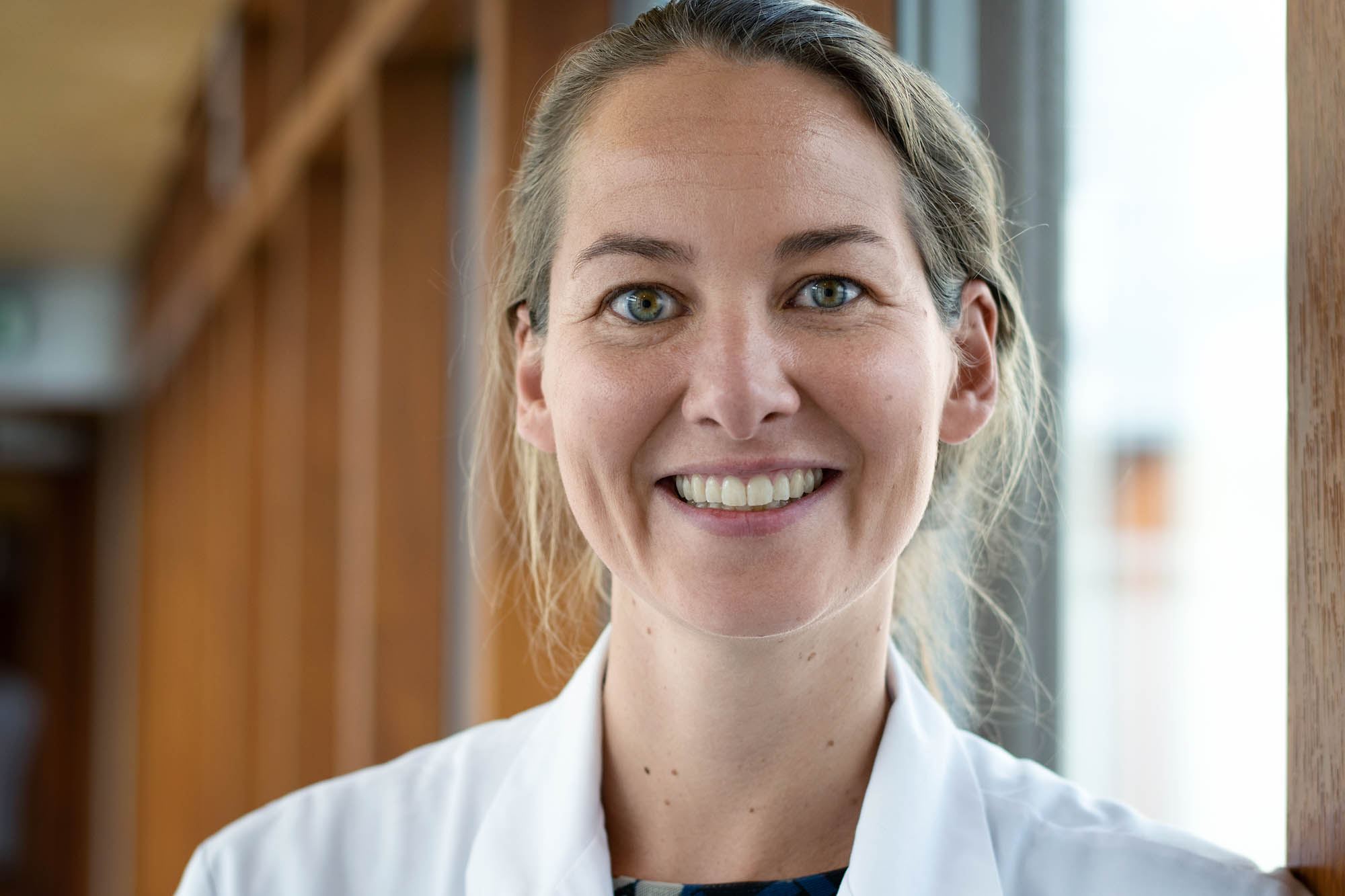
Jeanine Roodhart
Principal investigator Jeanine Roodhart emphasizes the broader vision of the research: “These studies show how we can literally bring the patient into the laboratory. By using organoids, we can personalize treatments much more effectively and develop new therapies that match the specific characteristics of the tumor. Ultimately, the goal is for every patient to receive the treatment that is most effective for him or her.”
Patients with metastatic colorectal cancer often have limited treatment options. “By better understanding which therapies work and why some tumors are resistant, we can ultimately develop more effective treatments and reduce the risk of side effects”, Roodhart adds.
The research builds on the OPTIC and RASTRIC studies and involves both regional and academic hospitals in the Netherlands, including Haaglanden Medical Center, Meander Medical Center, Maastricht UMC+, Radboud UMC, and UMC Utrecht. This broad network increases the applicability of the results in everyday clinical practice.
UMC Utrecht has now established a biobank of more than 500 colorectal cancer organoids, enabling researchers to match future patients with organoids that most closely resemble their tumor. “This means we don’t have to create a new mini-tumor for every patient”, Roodhart explains. “We can test in the lab whether a treatment is likely to be effective before administering it to the patient.”
Although the tests are promising, they are not yet part of standard clinical practice. Smabers notes: “At present, the test is complex, time-consuming, and costly. To implement it in routine hospital care, we need to speed up and simplify the process. However, these studies provide strong indications that personalizing treatment and improving patient outcomes is achievable.”
These studies provide a concrete example of how fundamental laboratory research and clinical practice reinforce each other. Roodhart concludes: “By literally bringing the patient’s tumor biology into the lab, we are creating a new way to personalize the treatment of metastatic colorectal cancer, with ultimately better prospects for patients.”
Thanks to donations, researchers can take important steps forward in the treatment of colorectal cancer. Would you like to help improve prospects for patients?
Smabers LP, Wensink GE, Verissimo CS, et al. Patient-Derived Organoids Predict Treatment Response in Metastatic Colorectal Cancer. Clin Cancer Res. 2025;31(23):5015-5026. doi:10.1158/1078-0432.CCR-25-1564
https://aacrjournals.org/clincancerres/article/31/23/5015/767465
Huismans MA, Smabers LP, Brunner SR, et al. Impact of treatment history on drug resistance of metastatic colorectal cancer organoids. iScience. 2025;28(11):113801. Published 2025 Oct 17. doi:10.1016/j.isci.2025.113801
https://www.sciencedirect.com/science/article/pii/S2589004225020620
Smabers LP, Nienhuis HH, de Leng WWJ, et al. Clinical implications of whole genome sequencing in metastatic colorectal cancer. Oncogene. 2025;44(48):4686-4698. doi:10.1038/s41388-025-03618-3