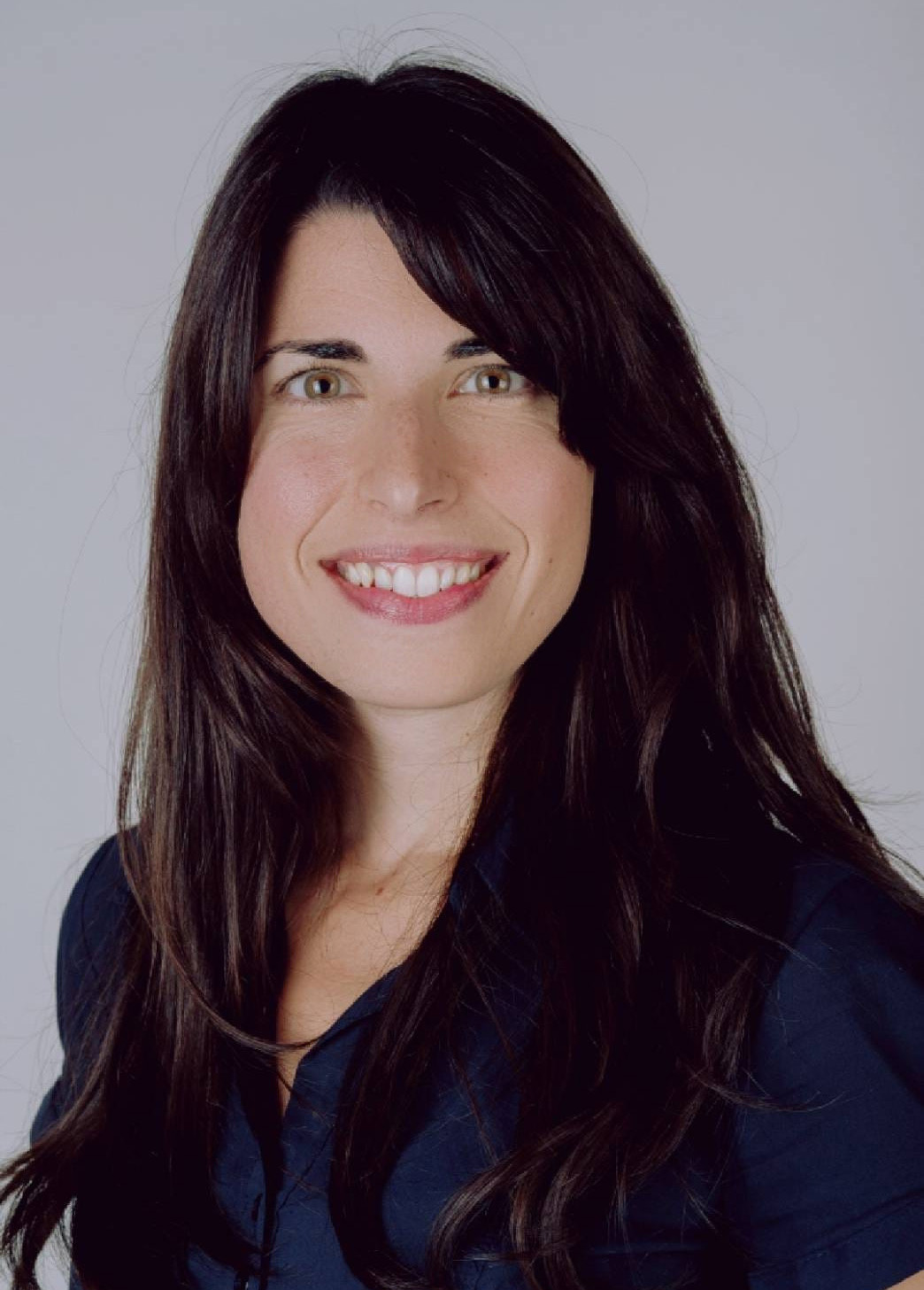
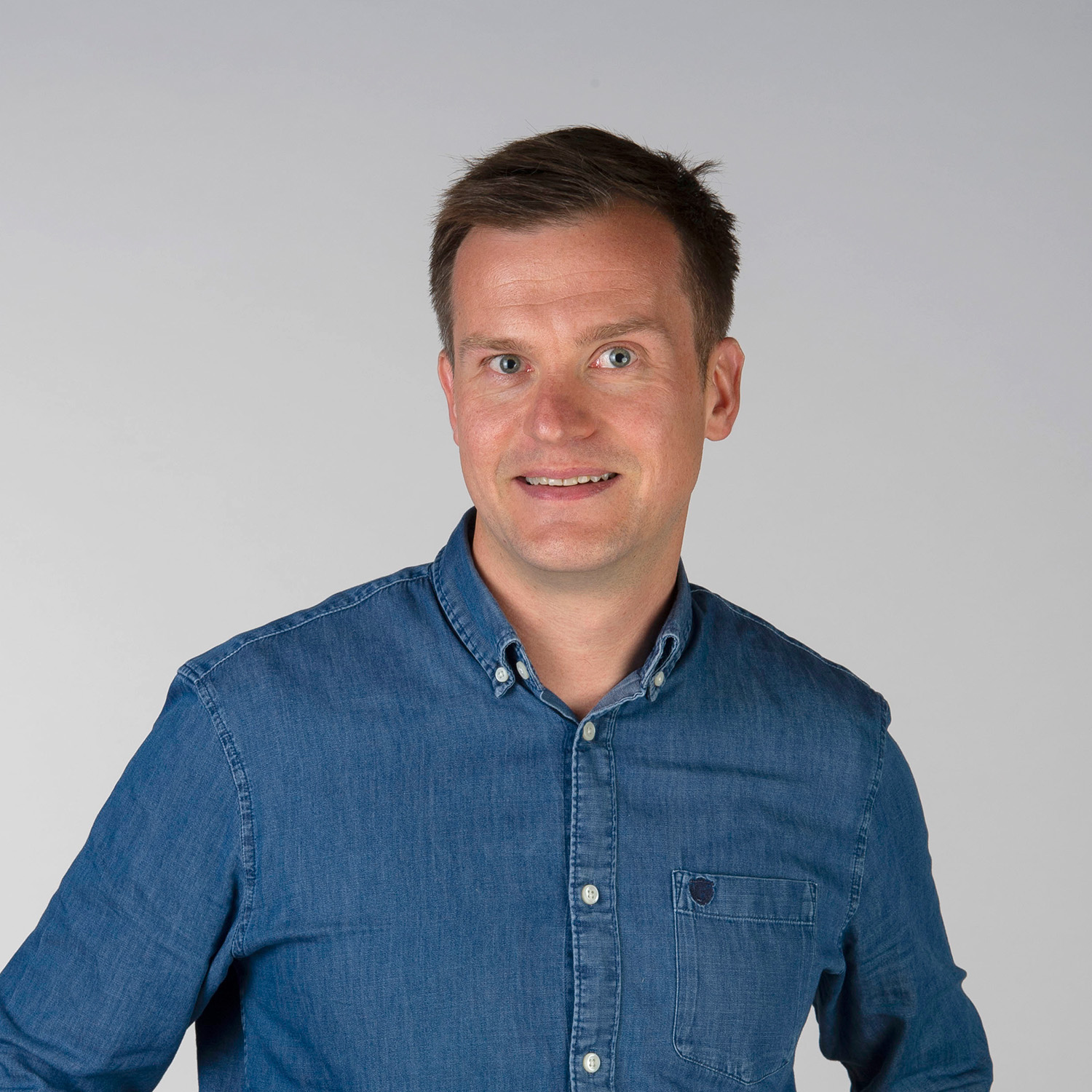
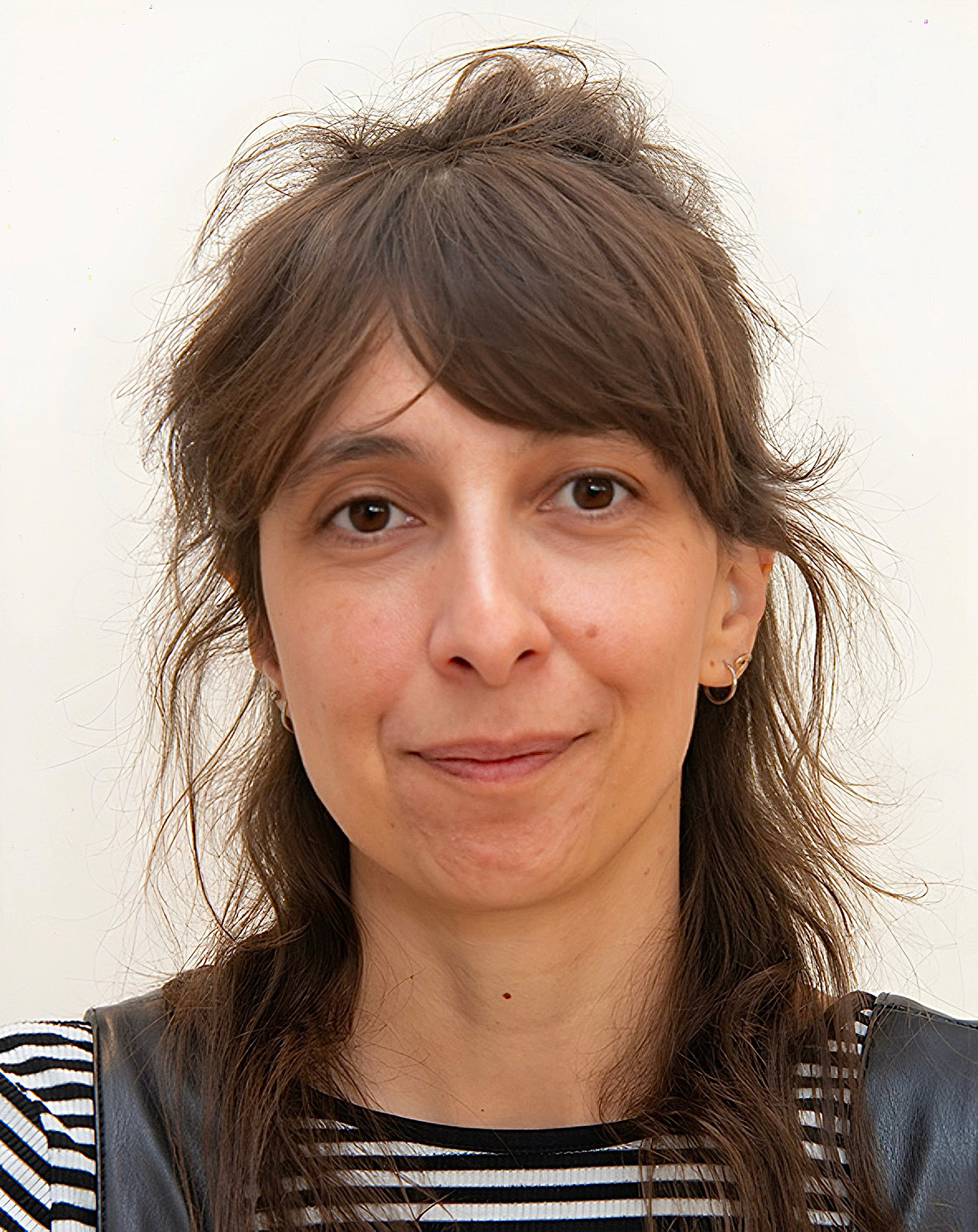
How can we support our immune system during immunotherapy? Does it matter where stem cells produce proteins to stay healthy? And can sharing experiences with chatbots help people who hear voices? These are the questions three talented UMC Utrecht researchers will explore over the coming years.
Marta Cuenca-Lopera, Edwin van Dellen, and Joana Silva have each been awarded a prestigious Vidi grant to further develop their innovative research and gain new insights that could contribute to better healthcare.
Healthcare research goes beyond understanding diseases. We also need to understand how our bodies work down to the smallest details, continue improving existing treatments, and recognize the needs of the person behind the disease. This requires not only knowledge, but also innovative ideas and perseverance.
The three researchers show just how broad this search for answers can be: from the smallest processes inside our cells to the impact of new technology on our well-being. We are proud to introduce them and their innovative research.
Immunotherapy uses our body’s natural immune response to fight cancer. However, current cancer immunotherapies deplete certain immune cells that protect the body against viruses. As a result, one in ten patients treated with immune-redirecting therapies dies from a viral infection.
In SHIELD, Marta Cuenca-Lopera will develop cancer therapies that activate various types of immune cells continuously produced in our bodies, while maintaining virus control. “We will develop a strategy to identify which patients are at risk of severe, long-lasting infections, and the biological reasons behind it.”
To test the effectiveness of this approach, Marta and her team will develop a culture model with patient cells. “Our goal is to develop effective anti-cancer immunotherapies that keep patients able to clear infections fast, which could make a real difference to their quality of life.”
A growing number of people who hear voices turn to chatbots such as ChatGPT during the evenings or moments of crisis to talk about their experiences, often when professional support is unavailable.
“I want to understand when these conversations are helpful and when they may be harmful, so that people who hear voices, their loved ones, and healthcare professionals can make better-informed decisions,” says Edwin van Dellen.
To investigate this, Edwin and his team will analyze chat conversations shared with consent and follow participants with brief daily smartphone surveys. “This allows us to map how chatbot use relates to voices, mood, and the relationship with clinicians.”
Together with voice-hearers, relatives, and clinicians, the team will also develop guidance for the safe and responsible use of AI chatbots.
Every cell in our body contains millions of tiny machines that build proteins, called ribosomes. For a long time, scientists assumed that the location where these machines operate in the cell did not matter. We now know it does.
Joana Silva previously discovered that intestinal stem cells in our gut depend on the positioning of ribosomes near mitochondria, the cell’s powerhouses. “Understanding this is important because our intestines are constantly renewing themselves. Healthy stem cells are essential for this process.”
Joana will now uncover how cells sense problems in ribosomes and use that information to reorganize the location where proteins are built. “I want to find out whether this reorganization helps cells adapt their energy metabolism and regenerate tissue. I hope our discoveries will change how we think about the way cells work, not just in the gut, but throughout the body.”
Vidi grants are awarded by the Dutch Research Council (NWO). They are intended for talented researchers who already have several years of research experience and are ready to take the next step in their careers. With funding of up to €850,000 per person, researchers can establish or expand their own innovative research groups and hire new researchers.
Vidi grants give researchers the opportunity to further develop innovative ideas. In doing so, they generate new knowledge and work toward solutions that could improve healthcare in the future.
Curious about how our researchers contribute to better healthcare? Explore our research programs.