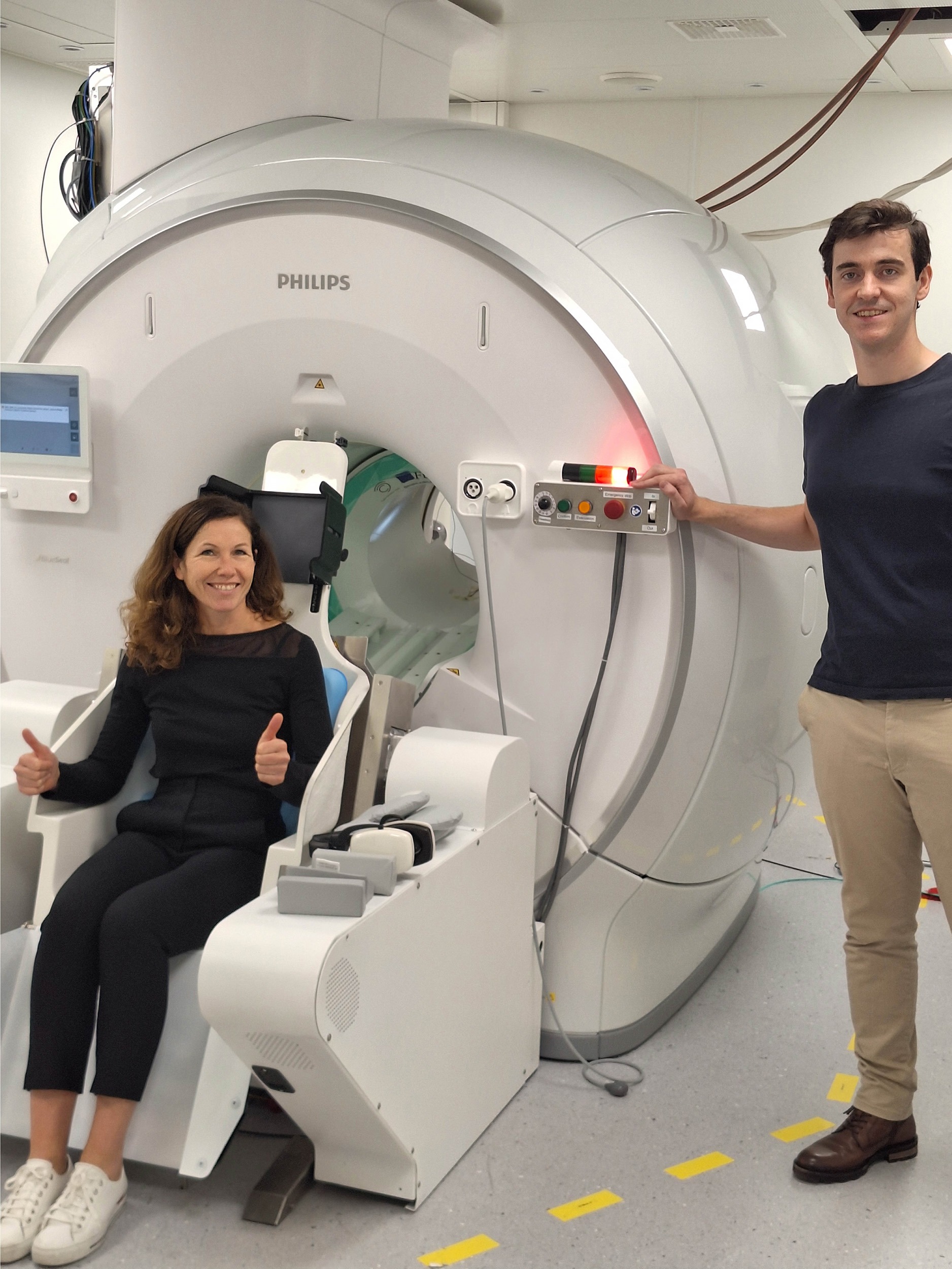
Faster clarity about your health, without having to go straight to the hospital. With a new €5 million grant from Health Holland, UMC Utrecht, Maastricht University, Philips and High Tech NL will make this possible. Within the REIMAGINE IMAGING innovation program, healthcare institutions and technology companies are collaborating on smart MRI and ultrasound solutions. These solutions perform scans themselves, and AI assesses the images. This brings diagnostics closer to the patient.
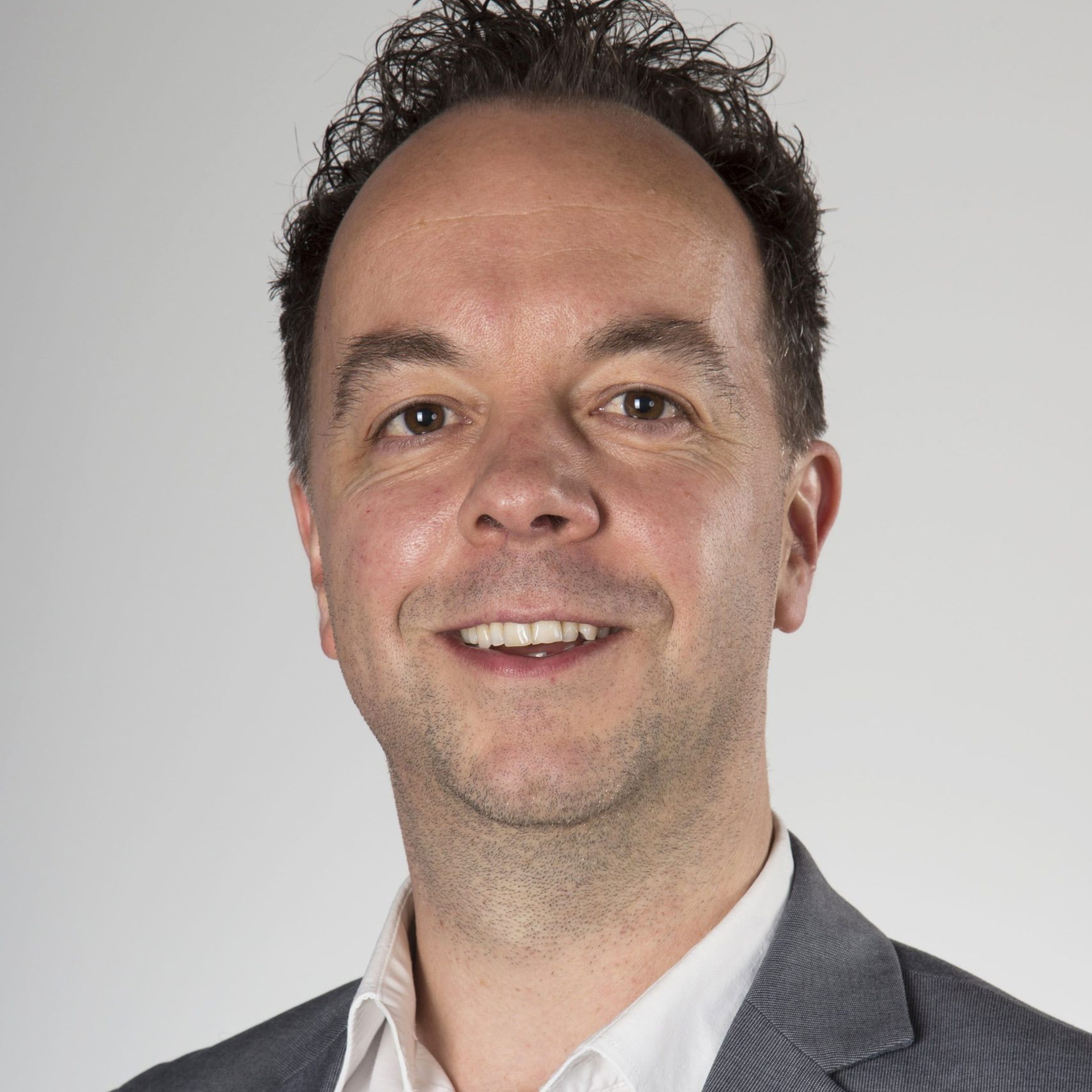
Dennis Klomp
Healthcare is under considerable pressure due to an aging population, a growing number of chronically ill patients, and an increasing staff shortage. At the same time, diagnostic procedures are becoming increasingly complex and expensive. MRI and ultrasound examinations are currently usually performed in hospitals and require significant time from specialized staff. “REIMAGINE IMAGING aims to break that pattern with autonomous, AI-driven imaging: technology that can largely perform and analyze scans independently, with minimal intervention by healthcare professionals,” says Dennis Klomp, Professor of High Precision Structural and Metabolic Imaging and Research Manager of Imaging and Oncology at UMC Utrecht.
“For many conditions, diagnosis does not necessarily have to take place in a hospital,” says Jochen Cals, Professor of General Practice at Maastricht University. “With smart technology, we can safely and reliably bring examinations closer to people. At the GP’s office, in a nursing home, or even in a mobile unit. It is always about providing the right care in the right place. That is more convenient for the patient and more efficient for the healthcare system.”
Within REIMAGINE IMAGING, four public-private consortia are working on solutions for common conditions, where diagnosis can take place earlier in the care chain:
A key goal of REIMAGINE IMAGING is to save labor. Autonomous systems take over routine tasks, allowing healthcare professionals to focus on complex cases and personal contact. “An MRI scan may seem expensive, but the device itself is only a small part of the cost,” says Klomp. “The largest part lies in organization and personnel. By making scans smarter and more independent, we reduce the pressure on healthcare and make diagnostics more accessible.” The technology also becomes more patient-friendly, with quieter MRIs, greater comfort, and, where possible, active patient involvement in the examination.
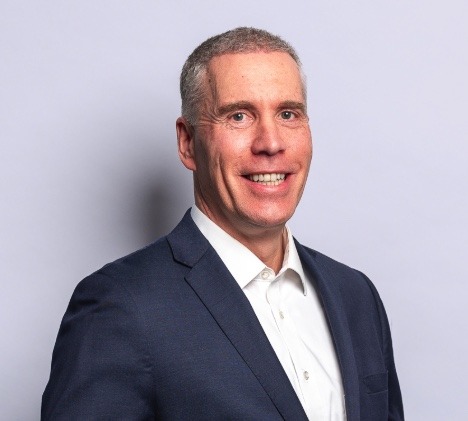
Edwin Roovers
REIMAGINE IMAGING is a public-private partnership between UMC Utrecht, Maastricht University, other hospitals, technology companies, and industry organizations such as High Tech NL. Companies invest in and collaborate with healthcare professionals, patient associations, and health insurers from the outset. According to Edwin Roovers, Cluster Manager Life Sciences at High Tech NL, this collaboration is essential: “Without public-private partnerships, innovations often remain stuck in the lab. By working together, we can not only develop technology but also clinically validate it, scale it up, and bring it into healthcare.”
With REIMAGINE IMAGING, UMC Utrecht is emphatically positioning itself as a driver of public-private innovation and system renewal in healthcare. The program demonstrates how medical technology can contribute to faster diagnostics, reduced workload for healthcare professionals, and a future-proof healthcare system. Klomp explains: “This approach aligns with national ambitions outlined in the Integrated Healthcare Agreement (IZA) and recommendations from the Wennink Report, which call for care to be delivered closer to people wherever possible.”
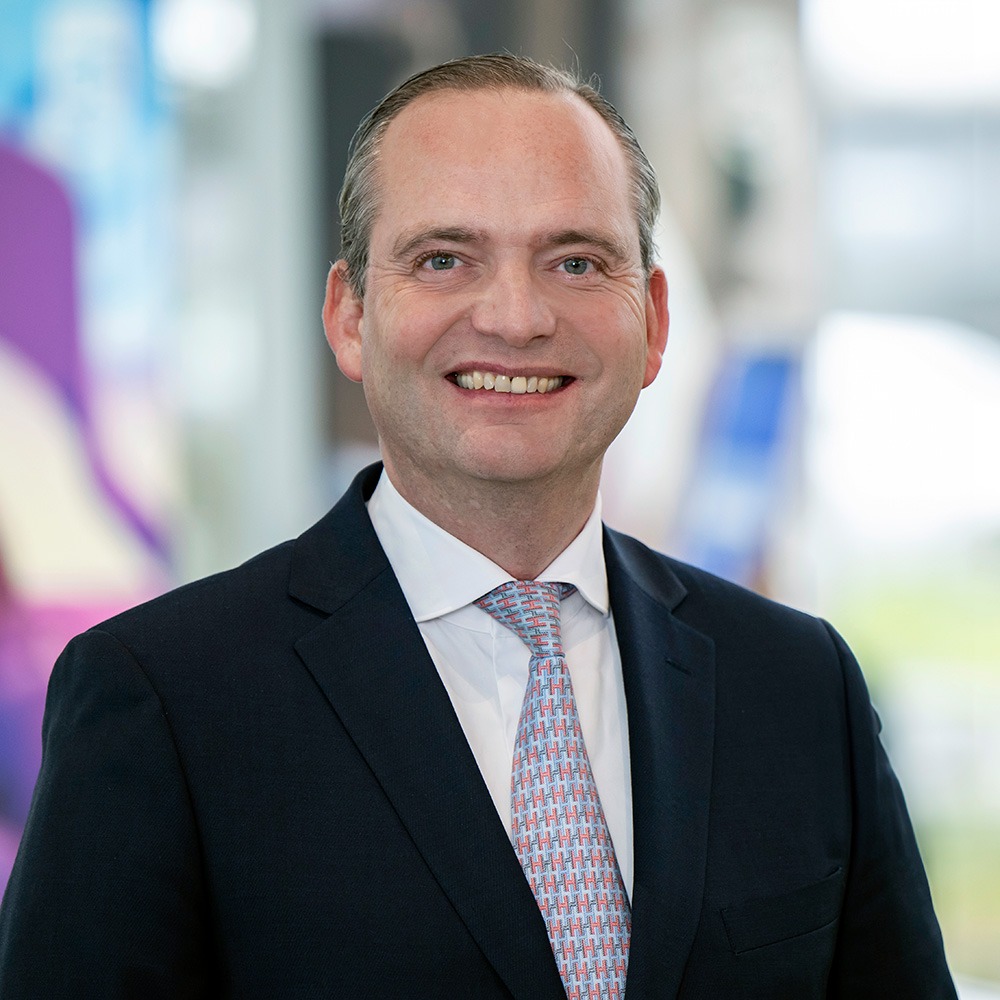
Léon Kempeneers
Besides its impact on Dutch healthcare, REIMAGINE IMAGING also offers international opportunities. The technologies it focuses on, such as autonomous MRIs and AI-driven ultrasounds, are potentially scalable and address global healthcare challenges, including staff shortages and rising costs. “REIMAGINE IMAGING is an important initiative to further develop Dutch MedTech innovations, together with healthcare and knowledge institutions, and thus enable better care for more people,” says Léon Kempeneers, Managing Director of Philips Benelux. “It aligns with the ambition of the MedTech Growth Plan: to accelerate the transition from research to application, strengthen public-private partnerships, and scale up Dutch MedTech solutions internationally.”