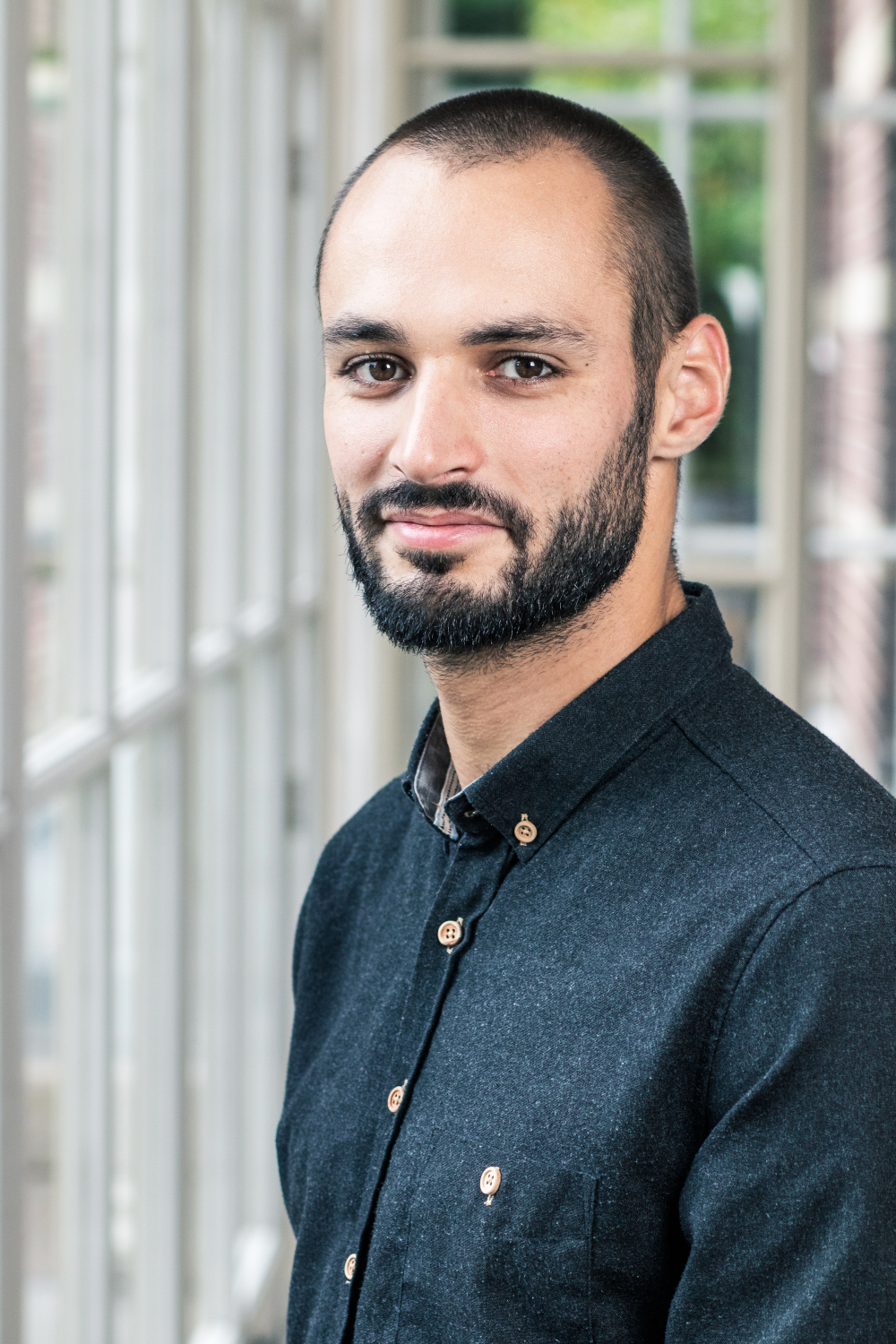
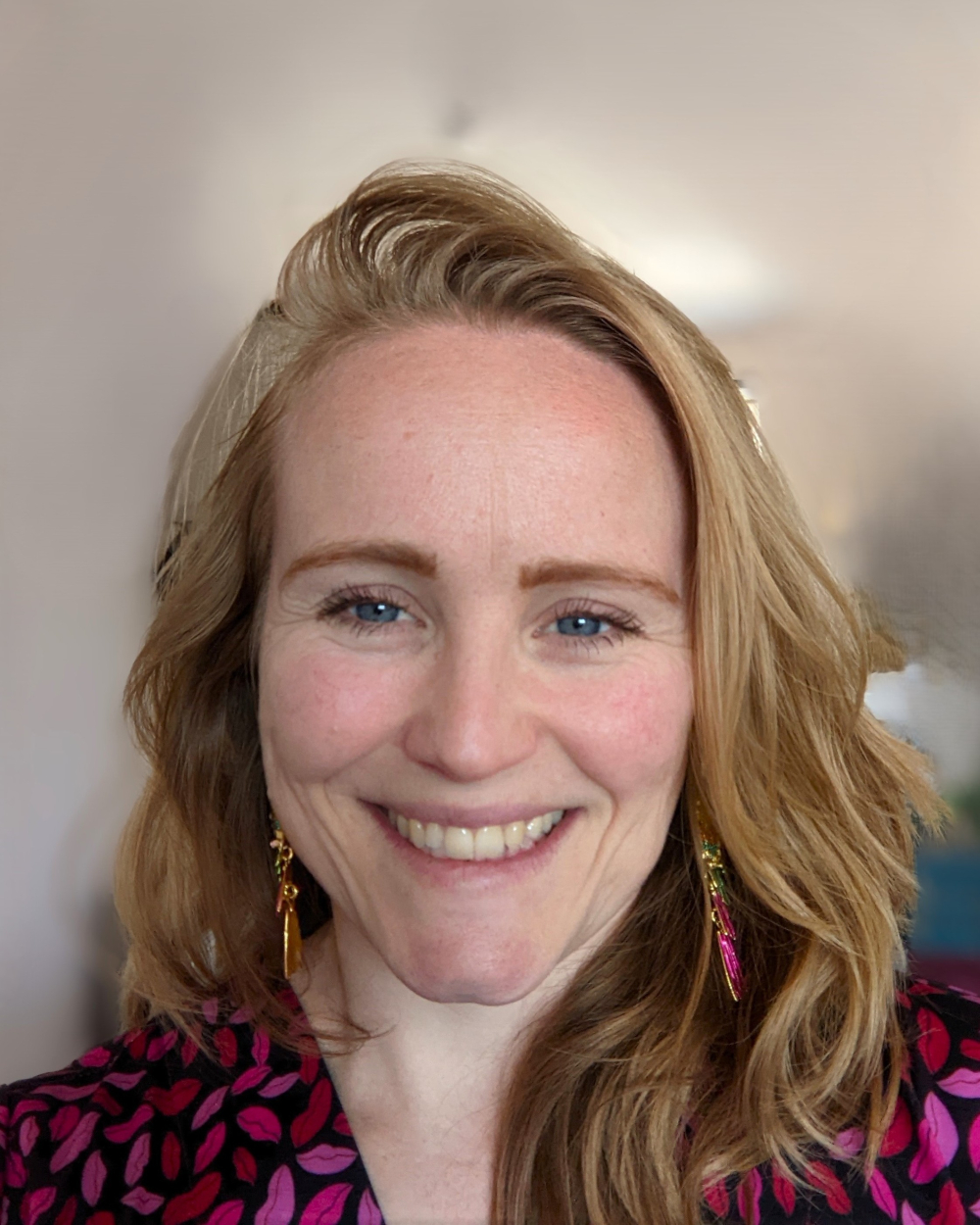
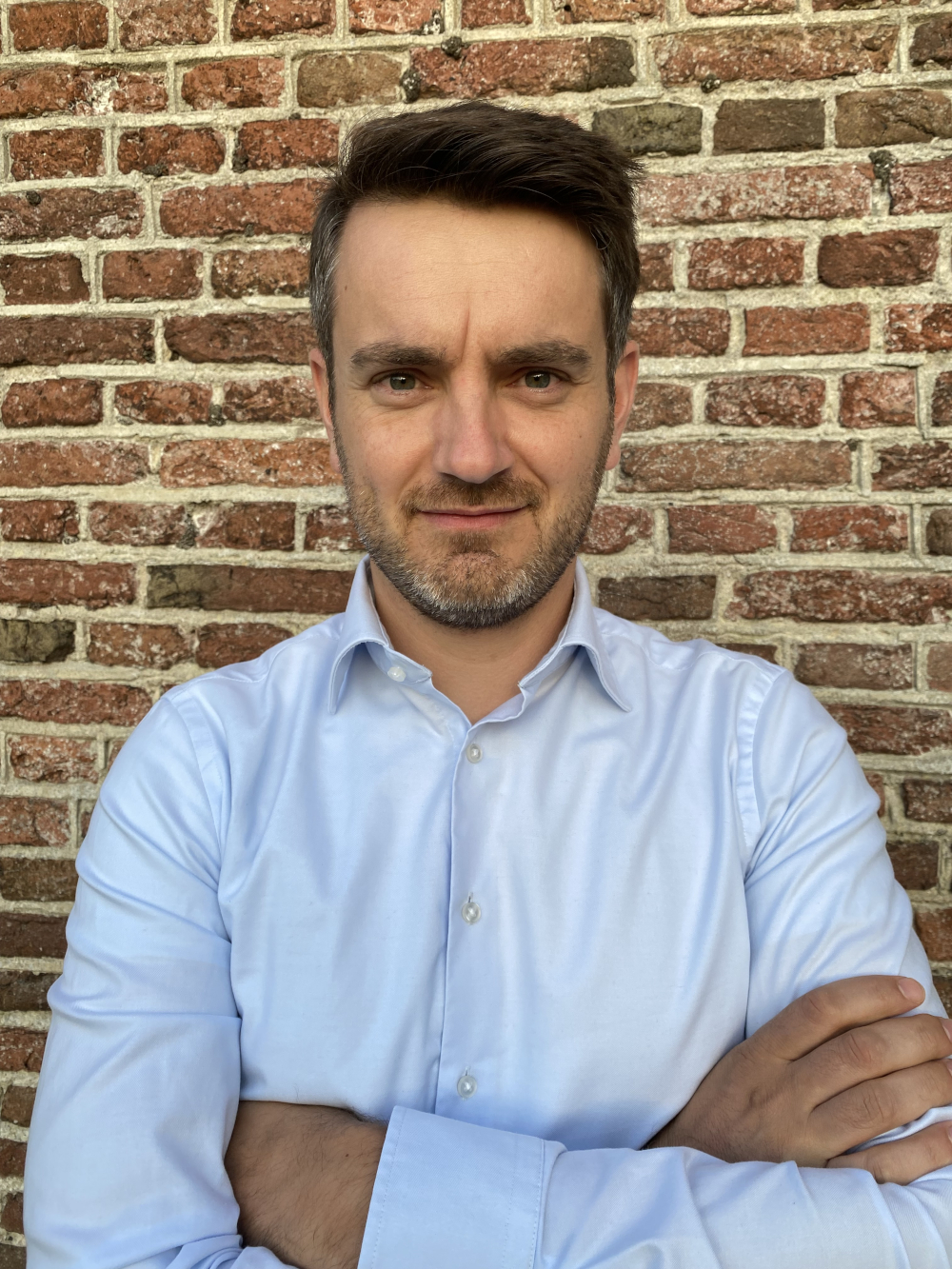
Can damaged brain functions be restored after a stroke? How can we make more donor hearts suitable for transplantation? And how can we prevent someone from having another ischemic stroke? These are the three questions that researchers Jord Vink, Veronique Meijborg, and Michiel Poorthuis from UMC Utrecht will be exploring over the coming years. All three have been awarded a personal Dekker Grant by the Dutch Heart Foundation to help improve care for people with cardiovascular disease.
Through the Dekker Grant, the Dutch Heart Foundation supports talented researchers taking the next step in their scientific careers. The grant gives them the opportunity to establish their own independent research line and further develop innovative ideas. Through their research, Vink, Meijborg, and Poorthuis are helping shape the future of care for people with cardiovascular disease.
Jord Vink
For many people, a stroke does not end when they leave the hospital. Problems with memory, planning, or processing information can continue to affect daily life for years. Working becomes more difficult, living independently less straightforward, and social situations can require a great deal of energy. As many as three-quarters of people who experience a stroke are left with these kinds of persistent cognitive problems.
Yet treatment after a stroke is still only partly focused on these problems. Rehabilitation mainly helps people learn to cope with their limitations. Technical physician Jord Vink wants to investigate whether more is possible. Can damaged brain functions actually recover?
“Especially in the first period after a stroke, the brain has a remarkable ability to adapt,” says Vink. “Sometimes other brain regions can partially take over the tasks of areas that have been damaged. I want to investigate whether we can actively strengthen that process.”
To do this, he is focusing on a promising technique: magnetic brain stimulation. Using a powerful magnet, short magnetic pulses are delivered very precisely to specific areas of the brain. These pulses can influence the activity of brain cells and may help restore functions that have been affected by the stroke.
What makes this research unique is that Vink wants to tailor the treatment completely to the individual patient. Using brain scans, he first maps which brain regions are involved in each patient’s cognitive functions. He then investigates which type of stimulation is most promising for that individual. Some brain regions may need an extra boost, while others may need to be inhibited.
In an initial study, Vink will investigate whether this personalized treatment leads to noticeable and lasting improvements in cognitive function.
“At the moment, we mainly help people learn to live with the consequences of a stroke. If we can restore cognitive function by helping the brain adapt, it could make a world of difference to people’s independence and quality of life.”
Veronique Meijborg
Advanced heart failure is life-threatening. For some patients, a heart transplant is the only life-saving treatment. However, there are too few donor hearts available. The average waiting time for a donor heart is 2.6 years. During that period, 26 percent of patients on the waiting list die or become too ill to undergo transplantation.
A specialised machine can keep a donor heart beating outside the body while maintaining it at body temperature and supplying it with oxygen and nutrients. This provides valuable extra time and creates opportunities to preserve the heart’s condition or even improve it. However, assessing the quality of the donor heart while it is on the machine remains challenging.
Veronique Meijborg, technical physician at the Transplantation Center Utrecht, wants to use the electrical signals of donor hearts to assess their quality. “These signals control the heart’s pumping action,” she explains. “They can easily be measured with an electrocardiogram (ECG), but we do not yet use them to determine the quality of a donor heart.”
Veronique will conduct this research at the Departments of Experimental Cardiology and Medical Physiology at UMC Utrecht. In addition, her research is connected to the RegMed XB program.
Meijborg will investigate which electrical signals predict how well a donor heart will pump after transplantation. To do this, she will monitor transplanted hearts for up to twelve months after surgery. She will also test different methods of electrically stimulating donor hearts to determine whether this improves their function. In addition, she will study donor hearts that were not used for transplantation.
Ultimately, this research could give physicians greater certainty in assessing the quality of donor hearts. This may enable more donor hearts to be used safely and preserved more effectively, reducing waiting times and improving outcomes after heart transplantation.
Michiel Poorthuis
A stroke can change someone’s life in an instant. It is a major cause of long-term disability and one of the leading causes of death in the Netherlands. In many cases, this event is caused by an ischemic stroke, in which a blood vessel supplying the brain becomes blocked. After that, one question becomes especially important: how can we prevent a stroke from happening again?
An ischemic stroke can have different causes. Sometimes the blood clot forms in the heart, for example because of atrial fibrillation. In other cases, it is caused by atherosclerosis in the carotid artery.
In atherosclerosis, fats, waste products, and cells build up in the artery wall, forming a plaque. Inflammation can make this plaque more unstable, increasing the risk that it ruptures. When this happens, a blood clot can form, break loose, and block a blood vessel supplying the brain.
Neurologist in training Michiel Poorthuis wants to detect this inflammation more precisely. “Reducing inflammation could become an important step in preventing recurrent strokes,” says Poorthuis. “But first we need to identify more accurately which patients have inflammation that truly increases their risk.”
Physicians currently often measure inflammation with a blood test. This can show whether there is inflammation somewhere in the body, but it cannot determine whether the inflammation is caused by atherosclerosis in the carotid artery. Poorthuis is therefore investigating another clue: the fat surrounding the carotid artery. Changes in this fat, visible on a CT scan, may indicate inflammation in the atherosclerotic plaque.
The key question is: does the fat surrounding the carotid artery really reflect inflammation in the plaque? To answer that question, Poorthuis compares CT scans with microscopic analysis of atherosclerotic plaque that has been surgically removed. He then investigates whether this information can help identify patients at high risk of another ischemic stroke. He also studies whether patients with high levels of inflammation visible on the scan may benefit from an anti-inflammatory drug such as colchicine.
“My goal is to identify patients with a high inflammatory risk more accurately,” says Poorthuis. “That will allow us to better tailor treatment to what is happening in each patient and, hopefully, prevent another ischemic stroke.”
The Dekker grant is named after dr. E. Dekker, former director of the Dutch Heart Foundation. He was the initiator in the Netherlands of community resuscitation efforts for cardiac arrest.